Do home air purifiers remove viruses?
In recent years, the concern about indoor air quality has skyrocketed, especially with the global spread of various viruses. As a home air purifier supplier, I often get asked the question: Do home air purifiers remove viruses? In this blog post, I'll dive deep into this topic to provide you with a comprehensive understanding.
How Air Purifiers Work
Before we discuss whether air purifiers can remove viruses, it's essential to understand how they function. Most home air purifiers use a combination of filters and sometimes additional technologies to clean the air. The primary types of filters include HEPA (High - Efficiency Particulate Air) filters, activated carbon filters, and sometimes ionizers.
HEPA filters are extremely effective at capturing small particles. They can trap particles as small as 0.3 microns with an efficiency of 99.97%. Viruses are typically much smaller than 0.3 microns, but they often attach themselves to larger particles such as dust, droplets, or aerosols. When these larger particles are drawn into the air purifier, the HEPA filter can capture them, effectively removing the attached viruses from the air.
Activated carbon filters are mainly used to remove odors, chemicals, and volatile organic compounds (VOCs). While they don't directly target viruses, they contribute to overall air quality by removing other pollutants that can make the indoor environment less healthy.
Ionizers work by emitting negatively charged ions into the air. These ions attach to positively charged particles, causing them to clump together and fall out of the air. Some ionizers claim to neutralize viruses, but their effectiveness in this regard is still a subject of debate.
Can Air Purifiers Really Remove Viruses?
The short answer is yes, but with some caveats. As mentioned earlier, HEPA filters can capture virus - laden particles. Studies have shown that air purifiers equipped with HEPA filters can significantly reduce the concentration of airborne viruses in a closed space. For example, in a hospital setting, air purifiers have been used to reduce the spread of viruses such as influenza.
However, it's important to note that not all air purifiers are created equal. The effectiveness of an air purifier in removing viruses depends on several factors, including the size of the room, the air exchange rate of the purifier, and the quality of the filters. A high - quality air purifier with a proper HEPA filter and a sufficient air exchange rate is more likely to be effective in removing viruses.
Another aspect to consider is that air purifiers can only remove viruses that are airborne. They cannot eliminate viruses on surfaces. So, while an air purifier can help reduce the risk of airborne transmission, it should be used in conjunction with other preventive measures such as surface cleaning and handwashing.
Our Product Range
As a home air purifier supplier, we offer a wide range of products to meet different needs. Among our offerings are ozone generators, which can also play a role in air purification and virus removal.
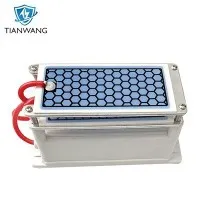
Our 5g Ozone generator is a compact and efficient option for small to medium - sized rooms. Ozone is a powerful oxidizing agent that can break down and neutralize viruses and other pathogens. This 5g ozone generator can be used to purify the air and eliminate odors, providing a healthier indoor environment.
For larger spaces, we have the 10g ozone generator Cleaner Ozonizer Odor Eliminator. It has a higher ozone output, making it suitable for larger rooms or areas with more severe air quality issues. It can effectively reduce the presence of viruses and other contaminants in the air.

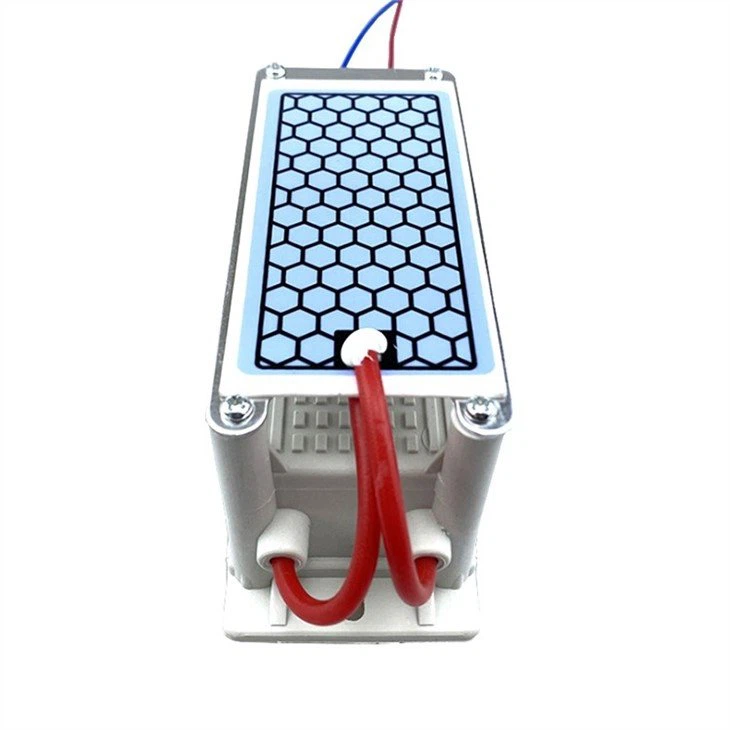
If you need a more powerful solution, our 20g Portable Ozone Generator Air Sterilizer is the ideal choice. With its high - capacity ozone generation, it can quickly and effectively sterilize the air in large areas, helping to prevent the spread of viruses.
Choosing the Right Air Purifier
When choosing an air purifier to remove viruses, there are several factors to consider. First, look for an air purifier with a HEPA filter. Make sure the filter is certified and has a high efficiency rating. Second, consider the size of the room. The air purifier should have a sufficient air exchange rate to effectively clean the air in the room. A rule of thumb is to choose an air purifier with a CADR (Clean Air Delivery Rate) that is appropriate for the room size.
It's also important to consider the additional features of the air purifier. Some air purifiers come with built - in sensors that can detect the air quality and adjust the purification settings accordingly. Others may have a timer or a remote control for convenience.
Conclusion
In conclusion, home air purifiers can play an important role in removing viruses from the air. While they are not a substitute for other preventive measures such as vaccination, surface cleaning, and handwashing, they can significantly reduce the concentration of airborne viruses in a closed space.
As a home air purifier supplier, we are committed to providing high - quality products that can help you create a healthier indoor environment. If you are interested in our products or have any questions about air purification and virus removal, we invite you to contact us for further discussion and potential procurement. We look forward to working with you to improve your indoor air quality.
References
- American Society of Heating, Refrigerating and Air - Conditioning Engineers (ASHRAE). "Position Document on Filtration and Air Cleaning in Building Mechanical Systems."
- World Health Organization (WHO). "Indoor Air Quality: Household Fuel Combustion."
- Centers for Disease Control and Prevention (CDC). "Preventing the Spread of Respiratory Viruses."