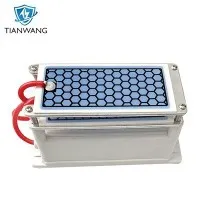
Hey there! As a supplier of ozone generators CE, I know how important it is to use these devices safely. Ozone generators can be great for purifying the air, getting rid of odors, and even killing some germs. But if not used correctly, they can also pose some risks. So, let's talk about the safety precautions you should take when using an ozone generator CE.
Understanding Ozone and Its Effects
First off, it's crucial to understand what ozone is and how it works. Ozone (O₃) is a gas made up of three oxygen atoms. It's a powerful oxidizing agent, which means it can break down and neutralize a lot of different substances. That's why ozone generators are used in air purification, water treatment, and other applications.
However, ozone can also be harmful to humans and animals. When inhaled, it can irritate the respiratory system, cause coughing, shortness of breath, and even damage the lungs over time. High levels of ozone can also cause eye irritation, headaches, and fatigue. So, it's super important to use ozone generators in a way that minimizes these risks.
Read the Manual
This might seem like a no-brainer, but you'd be surprised how many people skip this step. The manual that comes with your ozone generator CE is your go-to guide for safe and proper use. It'll tell you things like how to set up the device, what the different settings mean, and how long you should run it for.
Make sure you read the manual carefully before you start using the ozone generator. If you have any questions, don't hesitate to contact the manufacturer or supplier. We're here to help!
Use in a Well-Ventilated Area
One of the most important safety precautions when using an ozone generator is to make sure you use it in a well-ventilated area. Ozone can build up quickly in enclosed spaces, and high levels of ozone can be dangerous. So, open the windows and doors to let fresh air in while the ozone generator is running.
If you're using the ozone generator in a large room or an industrial setting, you might even want to use a fan to help circulate the air. This will help keep the ozone levels down and make the air safer to breathe.
Keep People and Pets Away
When the ozone generator is running, it's a good idea to keep people and pets out of the area. As I mentioned earlier, ozone can be harmful to humans and animals, so it's best to avoid exposure.
If you need to use the ozone generator in a room where people or pets are present, make sure you use it on a low setting and keep the door open to allow for ventilation. And always monitor the ozone levels to make sure they stay within safe limits.
Don't Overuse the Ozone Generator
It's important not to overuse the ozone generator. Running it for too long or at too high a setting can lead to high levels of ozone in the air, which can be dangerous.
Follow the manufacturer's recommendations for how long to run the ozone generator and what settings to use. And if you're not sure, start with a low setting and gradually increase it if needed.
Check for Leaks
Before you start using the ozone generator, make sure you check for any leaks. A leaky ozone generator can release ozone into the air, which can be dangerous.
Inspect the ozone generator for any signs of damage or wear, and make sure all the connections are tight. If you find any leaks, don't use the ozone generator until you've fixed the problem.
Maintain the Ozone Generator
Regular maintenance is key to keeping your ozone generator working safely and effectively. Make sure you clean the ozone generator regularly according to the manufacturer's instructions. This will help prevent the buildup of dirt and debris, which can affect the performance of the device.
You should also replace the filters and other parts as needed. This will help ensure that the ozone generator is producing clean, safe ozone.
Use the Right Ozone Generator for Your Needs
There are different types of ozone generators available, each with its own features and capabilities. Make sure you choose the right ozone generator for your needs.
If you're using the ozone generator in a small room, a New Material 50mg 100mg DC 12V Mini Air Purifier Ozone Generator Ionizer For Kitchen Appliances might be a good choice. It's compact and easy to use, and it can help purify the air in a small space.
If you need to purify the air in a larger room or an industrial setting, a 20g Ozone Air Purifier Generator Ozone Machine might be more suitable. It has a higher ozone output and can cover a larger area.
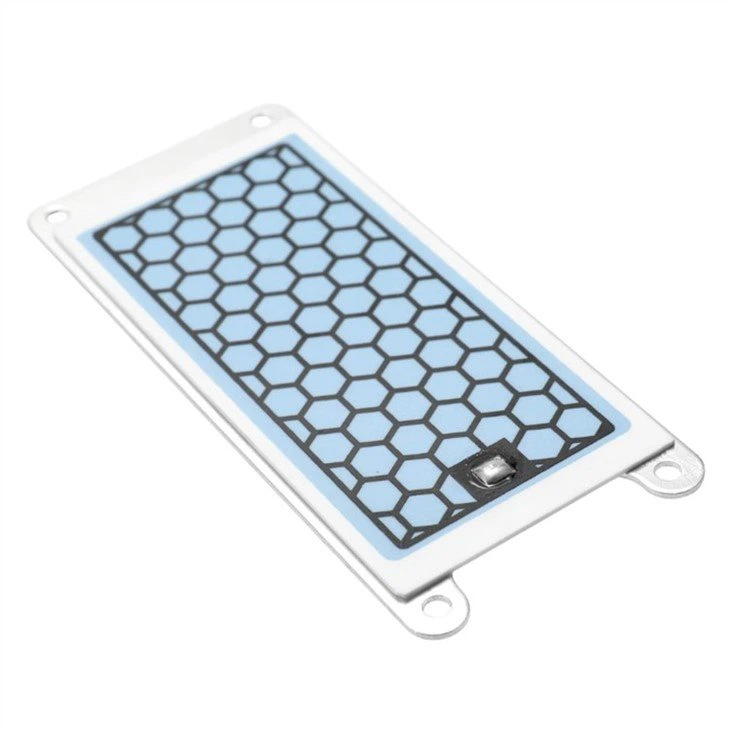
And if you're looking for replacement parts for your ozone generator, you might be interested in a Ceramic Ozone Plate for Air Purifier Parts 5g. It's a high-quality part that can help keep your ozone generator working properly.
Monitor Ozone Levels
It's a good idea to monitor the ozone levels in the air when using an ozone generator. You can use an ozone monitor to measure the ozone levels and make sure they stay within safe limits.
If the ozone levels are too high, turn off the ozone generator and open the windows and doors to let the ozone dissipate. And if you're not sure how to use an ozone monitor, ask your supplier or the manufacturer for help.
Be Prepared for Emergencies
In case of an emergency, it's important to know what to do. If someone is exposed to high levels of ozone and starts to experience symptoms like coughing, shortness of breath, or eye irritation, move them to a well-ventilated area and seek medical attention immediately.
It's also a good idea to have an emergency plan in place in case of a fire or other emergency. Make sure you know how to turn off the ozone generator and any other electrical devices in the area.
Conclusion
Using an ozone generator CE can be a great way to purify the air and get rid of odors. But it's important to use it safely. By following these safety precautions, you can minimize the risks and enjoy the benefits of ozone generators.

If you're interested in purchasing an ozone generator CE or have any questions about using them safely, feel free to contact us. We're here to help you find the right ozone generator for your needs and ensure that you use it safely.
References
- Environmental Protection Agency (EPA). Ozone Generators That Are Sold As Air Cleaners.
- World Health Organization (WHO). Air Quality Guidelines.