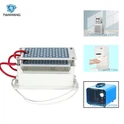
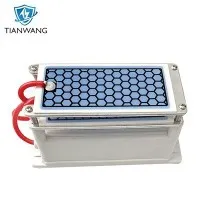
Hey there! As a supplier of ozone generators, I often get asked about how these nifty devices work on mildew odors. So, let's dive right in and explore this topic.
First off, what's mildew? Mildew is a type of fungus that loves damp and humid places. You'll often find it in bathrooms, basements, or even on old clothes that have been left in a wet pile. It not only looks yucky but also gives off a really unpleasant smell. That's where ozone generators come in handy.
So, how does an ozone generator work? Well, an ozone generator is a device that produces ozone (O₃), which is a highly reactive form of oxygen. Normal oxygen that we breathe is O₂, but ozone has that extra oxygen atom, and that makes it super powerful when it comes to getting rid of odors and killing germs.
When an ozone generator is turned on, it uses an electrical discharge or ultraviolet light to convert some of the oxygen in the air into ozone. This ozone then starts to do its magic. It reacts with the molecules that cause the mildew odor. The extra oxygen atom in ozone is very unstable and wants to attach itself to other molecules. When it comes into contact with the smelly molecules from mildew, it breaks them down into smaller, less smelly compounds.
Let's take a closer look at the chemical process. The mildew odor is usually caused by volatile organic compounds (VOCs). These are chemicals that easily turn into gases at room temperature. Ozone reacts with these VOCs through a process called oxidation. Oxidation is like a chemical "clean - up crew." It changes the structure of the VOCs, making them less volatile and less smelly.
For example, some of the common VOCs in mildew odors are aldehydes and ketones. Ozone reacts with these compounds, and through a series of chemical reactions, it turns them into acids, which are much less smelly. This is how the ozone effectively neutralizes the mildew odor.


But it's not just about getting rid of the smell. Ozone also has antibacterial and antifungal properties. Mildew is a fungus, and ozone can kill it. It attacks the cell walls of the mildew spores, breaking them down and preventing them from growing and spreading. This is important because if you just get rid of the smell but don't kill the mildew, it will keep coming back and the odor will return.
Now, let's talk about using ozone generators to tackle mildew odors in different situations.
In the Bathroom
Bathrooms are a prime spot for mildew because of the high humidity. You can use an Ozone Air Purifier Generator to get rid of the mildew odor. Just make sure the bathroom is empty when you turn on the generator. Ozone can be harmful to humans in high concentrations, so it's important to follow the safety instructions. Run the generator for a recommended amount of time, usually around 30 minutes to an hour depending on the size of the bathroom. After that, open the windows and let the fresh air in to clear out any remaining ozone.
In the Basement
Basements are often damp and dark, which is a perfect environment for mildew. A Green Air Classic Air Purifier Ozone Generator can be a great solution here. You might need to run it for a longer period, maybe a couple of hours, especially if the basement is large and has a severe mildew problem. Again, make sure no one is in the basement while the generator is running.
On Clothes
If you have clothes that smell like mildew, you can use an ozone generator in a sealed container. Put the smelly clothes in a large plastic bag or a sealed storage container. Place a small ozone generator inside and seal it up. Let the generator run for a while. The ozone will penetrate the fabric and get rid of the mildew odor. Just make sure to air out the clothes after the treatment.
When using an ozone generator, there are a few things to keep in mind. First, always follow the manufacturer's instructions. Different generators have different settings and recommended usage times. Second, make sure the area is well - ventilated after the treatment. As I mentioned before, ozone can be harmful to humans in high concentrations. It can cause respiratory problems, eye irritation, and other health issues. So, always give the area plenty of time to air out before you go back in.
Another thing is to use the right size of the generator for the space. If you have a small room, a small - capacity generator will do the job. But for a large area, you'll need a more powerful one.
Now, if you're dealing with a mildew odor problem and think an ozone generator could be the solution, we're here to help. We're a supplier of high - quality ozone generators, and we have a range of products to suit different needs. Whether you need a small, portable ozone generator for your bathroom or a larger one for a commercial space, we've got you covered.
If you're interested in learning more about our ozone generators or want to discuss your specific mildew odor problem, feel free to reach out. We can help you choose the right product for your situation and provide you with all the information you need. Our team of experts is always ready to assist you in making the best decision for your home or business. So, don't let mildew odors ruin your day. Contact us today and let's get your space smelling fresh again.
References
- "Air Quality and the Control of Indoor Pollutants" by American Society of Heating, Refrigerating and Air - Conditioning Engineers (ASHRAE)
- "Ozone in Water Treatment: Application and Engineering" by W. J. Cooper and J. C. Crittenden