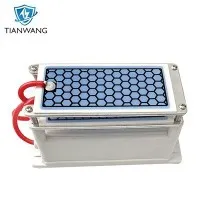
As a supplier of 10g ozone generators, I understand the importance of accurately monitoring ozone concentration. Ozone generators are widely used for air purification, water treatment, and sterilization. However, ozone can be harmful to human health if its concentration exceeds the safe level. Therefore, proper monitoring is crucial to ensure the safe and effective use of ozone generators. In this blog post, I will share some methods and considerations for monitoring the ozone concentration of a 10g ozone generator.
Why Monitor Ozone Concentration?
Ozone is a powerful oxidant that can effectively eliminate odors, kill bacteria, and remove pollutants. But when inhaled in high concentrations, it can cause respiratory problems, eye irritation, and other health issues. The World Health Organization (WHO) recommends that the ozone concentration in indoor air should not exceed 0.1 ppm (parts per million) over an 8 - hour period. By monitoring the ozone concentration of a 10g ozone generator, we can ensure that the ozone level remains within the safe range and maximize the benefits of ozone while minimizing the risks.
Methods of Monitoring Ozone Concentration
1. Electrochemical Sensors
Electrochemical sensors are one of the most common devices for monitoring ozone concentration. These sensors work based on the electrochemical reaction between ozone and a sensing electrode. When ozone comes into contact with the electrode, an electrical current is generated, which is proportional to the ozone concentration. Electrochemical sensors are relatively inexpensive, easy to use, and can provide real - time measurements. They are suitable for both indoor and outdoor applications.
However, electrochemical sensors also have some limitations. They may be affected by environmental factors such as temperature, humidity, and the presence of other gases. Regular calibration is required to ensure the accuracy of the measurements. For a 10g ozone generator, you can place an electrochemical sensor near the outlet of the generator or at the location where ozone is expected to be distributed to monitor the concentration.
2. UV Absorption Analyzers
UV absorption analyzers are more accurate and reliable than electrochemical sensors. These analyzers work on the principle that ozone absorbs ultraviolet light at a specific wavelength (254 nm). By measuring the amount of UV light absorbed by the air sample, the ozone concentration can be determined.
UV absorption analyzers are highly sensitive and can provide precise measurements over a wide range of ozone concentrations. They are less affected by environmental factors and do not require frequent calibration. However, they are more expensive and larger in size compared to electrochemical sensors. If you need a high - precision monitoring solution for your 10g ozone generator, especially in a professional or industrial setting, a UV absorption analyzer may be a better choice.
3. Colorimetric Tubes
Colorimetric tubes are a simple and cost - effective way to measure ozone concentration. These tubes contain a chemical reagent that changes color when it reacts with ozone. The degree of color change is proportional to the ozone concentration.


To use a colorimetric tube, you need to draw a known volume of air through the tube using a hand - held pump. After a certain period, you can compare the color of the tube with a color chart provided by the manufacturer to determine the ozone concentration. Colorimetric tubes are suitable for on - site and quick measurements. However, they are less accurate than electrochemical sensors and UV absorption analyzers and can only provide a single - point measurement.
Considerations for Monitoring
1. Placement of the Monitoring Device
The placement of the monitoring device is crucial for obtaining accurate measurements. For a 10g ozone generator, it is recommended to place the sensor or analyzer at the location where the ozone is most likely to accumulate or where people are present. For example, in a room where the ozone generator is used for air purification, you can place the monitoring device at the center of the room or near the breathing zone.
Avoid placing the monitoring device near the ozone generator outlet, as the ozone concentration may be much higher at this point and not representative of the overall concentration in the room. Also, make sure the device is not exposed to direct sunlight, strong air currents, or sources of heat, as these factors can affect the accuracy of the measurements.
2. Frequency of Monitoring
The frequency of monitoring depends on the application and the environment. In a residential or small - scale commercial setting, it is recommended to monitor the ozone concentration at least once a day when the ozone generator is in use. In a large - scale industrial or commercial setting, continuous monitoring may be required to ensure the safety of workers and the compliance with environmental regulations.
If you notice any unusual changes in the ozone concentration, such as a sudden increase or decrease, you should increase the monitoring frequency and investigate the cause. It may be due to a malfunction of the ozone generator, changes in the environmental conditions, or improper use of the device.
3. Maintenance of the Monitoring Device
Regular maintenance of the monitoring device is essential to ensure its accuracy and reliability. For electrochemical sensors, you need to replace the sensor membrane and electrolyte periodically according to the manufacturer's instructions. For UV absorption analyzers, you need to clean the optical components and check the lamp intensity regularly.
Calibration is also an important part of maintenance. You should calibrate the monitoring device at least once a year using a certified ozone standard. If the device is used in a harsh environment or shows signs of inaccurate measurements, more frequent calibration may be required.
Our Products and Applications
As a supplier of 10g ozone generators, we offer high - quality products that are suitable for a variety of applications. Our 10g ozone generator Cleaner Ozonizer Odor Eliminator is designed to effectively eliminate odors, kill bacteria, and purify the air in small to medium - sized spaces such as homes, offices, and hotels.
In addition to the 10g ozone generator, we also provide 20g Portable Ozone Generator Air Sterilizer for larger spaces and 5g Ozone generator for more delicate applications. All our products are equipped with advanced technology to ensure stable ozone output and safe operation.
Conclusion
Monitoring the ozone concentration of a 10g ozone generator is essential for ensuring the safety and effectiveness of its use. By choosing the appropriate monitoring method, considering the placement and frequency of monitoring, and maintaining the monitoring device properly, you can keep the ozone concentration within the safe range.
If you are interested in our ozone generators or have any questions about ozone concentration monitoring, please feel free to contact us for further discussion and procurement negotiation. We are committed to providing you with the best products and solutions to meet your needs.
References
- World Health Organization. Air quality guidelines: global update 2021: particulate matter (PM2.5 and PM10), ozone, nitrogen dioxide, sulfur dioxide and carbon monoxide. Geneva: World Health Organization; 2021.
- American Conference of Governmental Industrial Hygienists (ACGIH). Threshold Limit Values (TLVs) for Chemical Substances and Physical Agents and Biological Exposure Indices (BEIs). Cincinnati, OH: ACGIH; 2022.