As a seasoned supplier of ozone equipment, I understand the critical importance of ensuring that our products meet the highest standards of performance. Ozone equipment is used in a wide range of applications, from air and water purification to industrial sterilization, and its effectiveness directly impacts the quality of the environment and the safety of users. In this blog post, I will share some key methods and considerations for testing the performance of ozone equipment.
Understanding Ozone and Its Applications
Before delving into the testing methods, it's essential to have a basic understanding of ozone and its properties. Ozone (O₃) is a highly reactive gas composed of three oxygen atoms. It is a powerful oxidant, which means it can break down and eliminate various contaminants, including bacteria, viruses, mold, and odors. Ozone is commonly used in the following applications:
- Air Purification: Ozone generators are used to remove airborne pollutants and odors in homes, offices, hotels, and other indoor spaces.
- Water Treatment: Ozone is used to disinfect and purify water in swimming pools, drinking water plants, and industrial processes.
- Food Processing: Ozone is used to extend the shelf life of food products by eliminating bacteria and mold.
- Industrial Sterilization: Ozone is used to sterilize equipment and surfaces in hospitals, laboratories, and manufacturing facilities.
Key Performance Indicators
When testing the performance of ozone equipment, several key performance indicators (KPIs) should be considered:
- Ozone Output: This is the amount of ozone produced by the equipment per unit of time, usually measured in grams per hour (g/h). A higher ozone output indicates a more powerful ozone generator.
- Ozone Concentration: This is the amount of ozone present in the air or water, usually measured in parts per million (ppm) or milligrams per cubic meter (mg/m³). The ozone concentration should be within the safe and effective range for the specific application.
- Ozone Distribution: This refers to how evenly the ozone is distributed throughout the treated area. A well-designed ozone generator should be able to distribute ozone uniformly to ensure effective treatment.
- Energy Efficiency: This is the ratio of ozone output to energy consumption. A more energy-efficient ozone generator will consume less electricity while producing the same amount of ozone.
- Safety: Ozone is a toxic gas, and its concentration should be carefully controlled to avoid harm to humans and the environment. The ozone equipment should be equipped with safety features such as ozone sensors, timers, and automatic shut-off systems.
Testing Methods
There are several methods for testing the performance of ozone equipment, including:
Laboratory Testing
Laboratory testing is the most accurate and reliable method for testing the performance of ozone equipment. In a laboratory setting, the ozone output, concentration, and distribution can be measured using specialized equipment such as ozone analyzers, gas chromatographs, and flow meters. The following steps are typically involved in laboratory testing:
- Calibration: The testing equipment should be calibrated to ensure accurate measurements.
- Sample Collection: Air or water samples are collected from the treated area using sampling tubes or bottles.
- Analysis: The samples are analyzed using the appropriate testing equipment to determine the ozone output, concentration, and distribution.
- Reporting: The test results are recorded and reported in a detailed report, including the testing methods, equipment used, and test results.
Field Testing
Field testing is a practical method for testing the performance of ozone equipment in real-world applications. In field testing, the ozone equipment is installed in the actual application environment, and the ozone output, concentration, and distribution are measured using portable testing equipment. The following steps are typically involved in field testing:
- Site Preparation: The treated area should be cleaned and prepared before testing to ensure accurate results.
- Equipment Installation: The ozone equipment is installed according to the manufacturer's instructions.
- Testing Setup: The portable testing equipment is set up in the treated area to measure the ozone output, concentration, and distribution.
- Testing: The ozone equipment is operated for a specified period of time, and the ozone output, concentration, and distribution are measured at regular intervals.
- Analysis and Reporting: The test results are analyzed, and a report is prepared summarizing the performance of the ozone equipment.
Comparison Testing
Comparison testing is a method for comparing the performance of different ozone equipment models or brands. In comparison testing, two or more ozone equipment models are tested under the same conditions, and the ozone output, concentration, and distribution are measured and compared. The following steps are typically involved in comparison testing:
- Selection of Equipment: Two or more ozone equipment models or brands are selected for testing.
- Testing Setup: The testing equipment is set up in the same location, and the ozone output, concentration, and distribution are measured using the same testing methods.
- Testing: The ozone equipment is operated for a specified period of time, and the ozone output, concentration, and distribution are measured at regular intervals.
- Analysis and Reporting: The test results are analyzed, and a report is prepared comparing the performance of the different ozone equipment models or brands.
Considerations for Testing
When testing the performance of ozone equipment, the following considerations should be taken into account:
- Testing Environment: The testing environment should be representative of the actual application environment. Factors such as temperature, humidity, air flow, and the presence of contaminants can affect the performance of the ozone equipment.
- Testing Duration: The testing duration should be sufficient to ensure accurate and reliable results. The ozone equipment should be operated for a specified period of time to allow the ozone to reach a stable concentration in the treated area.
- Testing Frequency: The testing frequency should be determined based on the application and the usage of the ozone equipment. Regular testing can help to ensure that the ozone equipment is operating at peak performance and that any issues are detected and addressed in a timely manner.
- Testing Standards: The testing should be conducted in accordance with the relevant testing standards and guidelines. This will ensure that the test results are comparable and reliable.
Our Ozone Equipment
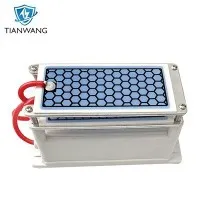
At our company, we offer a wide range of ozone equipment, including 20g Portable Ozone Generator Air Sterilizer, 10g ozone generator Cleaner Ozonizer Odor Eliminator, and 5g Ozone generator. Our ozone equipment is designed and manufactured to meet the highest standards of performance, safety, and reliability. We conduct rigorous testing on all our ozone equipment to ensure that it meets or exceeds the industry standards.
Contact Us for Procurement
If you are interested in purchasing our ozone equipment or have any questions about testing the performance of ozone equipment, please feel free to contact us. Our experienced sales team will be happy to assist you with your procurement needs and provide you with detailed information about our products and services.


References
- "Ozone Generation and Applications" by David A. Indelli and Antonio S. L. Gomes
- "Ozone in Water Treatment: Application and Engineering" by Stefan K. Reckhow and David A. Singer
- "Handbook of Ozone Technology and Applications" by Wolfgang Staehelin and Hans-Rudolf Hoigne