As a supplier of ozone generators, I've encountered numerous clients who are unsure about when to replace their ozone generators. Recognizing the signs that indicate a replacement is necessary is crucial for maintaining optimal air quality and ensuring the efficient operation of your ozone generator. In this blog post, I'll outline the key indicators that your ozone generator may need to be replaced and provide some insights to help you make an informed decision.
1. Decreased Ozone Output
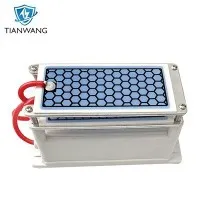
One of the most obvious signs that your ozone generator needs to be replaced is a noticeable decrease in ozone output. Ozone generators work by producing ozone gas, which helps to eliminate odors, kill bacteria, and purify the air. Over time, the components of the ozone generator, such as the ozone tubes or plates, can wear out or become damaged, resulting in a reduced ozone output.
If you notice that your ozone generator is no longer producing the same level of ozone as it did when it was new, it may be time to consider a replacement. You can measure the ozone output using an ozone meter, which is available for purchase online or at some hardware stores. If the ozone output is significantly lower than the manufacturer's specifications, it's a clear indication that the generator is not functioning properly.
2. Frequent Breakdowns or Malfunctions
Another sign that your ozone generator needs to be replaced is if it experiences frequent breakdowns or malfunctions. Ozone generators are complex machines that rely on a variety of components to function properly. Over time, these components can wear out or become damaged, leading to breakdowns or malfunctions.
If your ozone generator is constantly breaking down or experiencing problems, it can be frustrating and costly to repair. In some cases, the cost of repairs may be more than the cost of a new ozone generator. Additionally, frequent breakdowns can indicate that the generator is reaching the end of its lifespan and is no longer reliable.
3. Unusual Noise or Vibration
If your ozone generator starts making unusual noises or vibrating excessively, it could be a sign that something is wrong. Ozone generators typically operate quietly, so any unusual noise or vibration could indicate a problem with the motor, fan, or other components.
Unusual noise or vibration can also be a sign of a loose or damaged part, which could pose a safety hazard. If you notice any unusual noise or vibration coming from your ozone generator, it's important to turn it off immediately and have it inspected by a professional.
4. Poor Air Quality
Ozone generators are designed to improve air quality by eliminating odors, killing bacteria, and purifying the air. If you notice that the air quality in your home or office has not improved or has even worsened since you started using the ozone generator, it may be a sign that the generator is not working properly.
Poor air quality can be caused by a variety of factors, including a low ozone output, a clogged filter, or a malfunctioning component. If you suspect that your ozone generator is not working properly, it's important to have it inspected by a professional to determine the cause of the problem.
5. Excessive Energy Consumption
Ozone generators consume electricity to produce ozone gas. If you notice that your energy bills have increased significantly since you started using the ozone generator, it could be a sign that the generator is not operating efficiently.
Excessive energy consumption can be caused by a variety of factors, including a worn-out motor, a clogged filter, or a malfunctioning component. If you suspect that your ozone generator is consuming too much energy, it's important to have it inspected by a professional to determine the cause of the problem.


6. Age of the Ozone Generator
Like all machines, ozone generators have a limited lifespan. Over time, the components of the ozone generator can wear out or become damaged, leading to a decrease in performance and an increased risk of breakdowns.
The lifespan of an ozone generator depends on a variety of factors, including the quality of the components, the frequency of use, and the maintenance schedule. In general, ozone generators can last anywhere from 3 to 10 years. If your ozone generator is approaching or has exceeded its expected lifespan, it may be time to consider a replacement.
Conclusion
Recognizing the signs that your ozone generator needs to be replaced is crucial for maintaining optimal air quality and ensuring the efficient operation of your generator. If you notice any of the signs outlined in this blog post, it's important to have your ozone generator inspected by a professional to determine the cause of the problem.
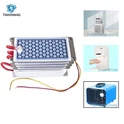
As a supplier of ozone generators, I offer a wide range of high-quality ozone generators to meet the needs of different customers. Whether you're looking for a 10g ozone generator Cleaner Ozonizer Odor Eliminator, a 20g Portable Ozone Generator Air Sterilizer, or a 5g Ozone generator, I can help you find the right product for your needs.
If you're interested in purchasing an ozone generator or have any questions about ozone generators, please feel free to contact me. I'm always happy to help and provide you with the information you need to make an informed decision.
References
- "Ozone Generators: How They Work and When to Replace Them." HomeAirAdvisor.com.
- "Signs That Your Ozone Generator Needs to Be Replaced." AirQuality.org.
- "Ozone Generator Maintenance and Troubleshooting." OzoneGeneratorPro.com.