Hey there! I'm a supplier of ozone generators, and I've seen firsthand how useful these devices can be in combating all sorts of pollutants. In this blog, I'm gonna dig into how an ozone generator interacts with different types of pollutants, and why it could be a game - changer for your air - purifying needs.
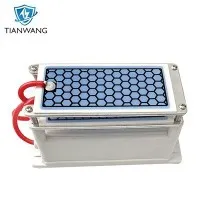
Let's start by understanding what ozone is and how an ozone generator works. Ozone (O₃) is a molecule made up of three oxygen atoms. An ozone generator takes in oxygen (O₂) from the air and converts some of it into ozone. This ozone is then released into the environment, where it gets to work on pollutants.
Interactions with Organic Pollutants
Organic pollutants include things like mold, mildew, and volatile organic compounds (VOCs). These are common in homes and offices, and they can cause all sorts of health issues, from allergies to respiratory problems.
Mold and Mildew: Mold and mildew love damp environments. They grow on walls, ceilings, and in bathrooms. Ozone is a powerful oxidizer. When ozone comes into contact with mold and mildew, it breaks down their cell walls. The extra oxygen atom in the ozone molecule attaches to the organic matter in the mold, causing a chemical reaction that destroys the mold. This is a great solution, especially in areas with high humidity. For folks looking for a good machine to handle mold and mildew, our 5g Ozone generator is a solid choice. It can distribute ozone evenly in smaller spaces, like closets or bathrooms, to keep mold at bay.


VOCs: VOCs are emitted by many household products, such as paints, cleaning supplies, and even furniture. They can cause headaches, nausea, and long - term health problems. Ozone reacts with VOCs through a process called oxidation. The ozone molecule reacts with the carbon - carbon double bonds in the VOCs, breaking them down into less harmful compounds. Our 10g ozone generator Cleaner Ozonizer Odor Eliminator is fantastic for dealing with VOCs in medium - sized rooms. It pumps out enough ozone to quickly neutralize the pollutants, improving the air quality significantly.
Interactions with Inorganic Pollutants
Inorganic pollutants are usually things like dust, smoke, and certain gases.
Dust and Smoke Particles: Ozone doesn't directly destroy dust particles, but it does have an impact on them. When ozone is released into the air, it can cause dust and smoke particles to clump together. This makes them heavier, and they're more likely to fall out of the air and settle on surfaces. Once they're on surfaces, it's much easier to clean them up. For larger areas with lots of dust and smoke, our 20g Portable Ozone Generator Air Sterilizer can cover more ground and speed up the particle - clumping process.
Gaseous Inorganic Pollutants: Some common gaseous inorganic pollutants are sulfur dioxide (SO₂) and nitrogen oxides (NOₓ). Ozone can react with these gases and convert them into less harmful substances. For example, ozone can react with sulfur dioxide to form sulfur trioxide (SO₃), which can then dissolve in water to form sulfuric acid mist. This acid mist can be removed from the air more easily than the original sulfur dioxide gas. However, it's important to use ozone generators carefully when dealing with these pollutants, as improper use can lead to the formation of other harmful by - products.
Considerations When Using Ozone Generators
While ozone generators are great for dealing with pollutants, there are some things to keep in mind. Ozone can be harmful to humans and animals in high concentrations. You should never use an ozone generator in an enclosed space where people or pets are present. It's best to run the ozone generator in an empty room and let it do its job for a while, and then ventilate the room thoroughly before re - entering.
Also, different ozone generators have different ozone output levels. You need to choose the right one based on the size of the area you want to purify and the type of pollutants you're dealing with. Our team is always here to help you choose the most suitable model for your specific needs.
Purifying Specific Spaces
Homes: In homes, ozone generators can be used to freshen up musty basements, get rid of pet odors, and reduce the presence of dust and pollen. You can use a smaller - sized ozone generator in individual rooms and a larger one for the whole house during a deep - cleaning session.
Offices: Offices often have a lot of electronic equipment and people, which can lead to high levels of pollutants. An ozone generator can help keep the air fresh and reduce the spread of germs. It's especially useful in open - plan offices or areas with poor ventilation.
Industrial Settings: In industrial settings, the scale of pollution is much larger. However, ozone generators can still play a role in reducing odors, breaking down some pollutants, and improving the air quality for workers. Industrial - grade ozone generators are designed to handle large volumes of air and higher levels of pollutants.
Why Choose Our Ozone Generators?
Our ozone generators are made with high - quality materials and advanced technology. They're reliable, efficient, and easy to use. We offer a range of models to suit different needs and budgets. Whether you need a small ozone generator for your home or a large one for an industrial setting, we've got you covered.
If you're struggling with pollutants in your space and think an ozone generator could be the answer, don't hesitate to get in touch. We can help you figure out the best solution for your situation. Whether it's for removing mold, getting rid of odors, or reducing dust, our ozone generators are up to the task.
So, if you're ready to improve the air quality in your environment and get rid of those pesky pollutants, why not start a conversation with us? We're here to answer all your questions and guide you through the purchasing process. Let's work together to create a cleaner, healthier space for you and those around you!
References
- Smith, J. (2020). "The Chemistry of Ozone and Its Applications in Air Purification". Journal of Environmental Science.
- Johnson, A. (2019). "Using Ozone Generators to Combat Indoor Pollutants". Indoor Air Quality Review.