In today's bustling world, maintaining clean and fresh air in crowded spaces has become a paramount concern. Whether it's an office filled with employees, a busy shopping mall, or a crowded public transport vehicle, poor air quality can lead to a variety of health issues and discomfort. This is where ozone generator air purifiers come into play. As a leading supplier of ozone generators, I'm here to shed light on how these remarkable devices work in crowded spaces and why they are a game-changer for air quality management.
Understanding Ozone and Its Properties
Before delving into how ozone generators work in crowded spaces, it's essential to understand what ozone is and its unique properties. Ozone (O₃) is a highly reactive gas composed of three oxygen atoms. Unlike the oxygen we breathe (O₂), ozone is a powerful oxidizing agent. This means it has the ability to react with and break down various pollutants, odors, and microorganisms in the air.
Ozone is naturally produced in the Earth's atmosphere through the action of sunlight on oxygen molecules. However, in indoor environments, the concentration of ozone is typically very low. Ozone generators are designed to artificially produce ozone by using electrical discharges or ultraviolet light to convert oxygen (O₂) into ozone (O₃).
How Ozone Generators Work in Crowded Spaces
In crowded spaces, the air is often filled with a variety of pollutants, including dust, pollen, smoke, volatile organic compounds (VOCs), and microorganisms such as bacteria and viruses. Ozone generators work by releasing ozone into the air, where it can react with these pollutants in several ways.
Oxidation of Pollutants
One of the primary ways ozone works is through oxidation. When ozone comes into contact with pollutants, it donates an oxygen atom to the pollutant molecule, causing it to break down into smaller, less harmful substances. For example, ozone can react with VOCs, which are commonly found in cleaning products, paints, and furniture. By oxidizing these VOCs, ozone can reduce their concentration in the air, thereby improving air quality and reducing the risk of respiratory problems.
Similarly, ozone can also react with odorous molecules, such as those found in cigarette smoke, food, and body odor. By oxidizing these molecules, ozone can neutralize the odor and leave the air smelling fresh and clean.
Disinfection and Sterilization
Another important function of ozone in crowded spaces is disinfection and sterilization. Ozone has strong antimicrobial properties, which means it can kill or inactivate a wide range of microorganisms, including bacteria, viruses, and fungi. When ozone comes into contact with microorganisms, it damages their cell membranes and DNA, preventing them from reproducing and causing infections.
In crowded spaces, such as hospitals, schools, and public transportation, the risk of infectious diseases spreading through the air is high. By using an ozone generator, it is possible to significantly reduce the concentration of microorganisms in the air, thereby reducing the risk of infection and improving overall health.
Improving Air Circulation and Filtration
In addition to its oxidation and disinfection properties, ozone generators can also improve air circulation and filtration in crowded spaces. Many ozone generators are equipped with fans or blowers that help to distribute the ozone throughout the room. This not only ensures that the ozone reaches all areas of the space but also helps to improve air circulation, which can reduce the buildup of stagnant air and pollutants.
Furthermore, some ozone generators are also equipped with filters that can trap larger particles, such as dust and pollen, before they are released into the air. This combination of ozone generation and filtration can provide a comprehensive solution for improving air quality in crowded spaces.
Choosing the Right Ozone Generator for a Crowded Space
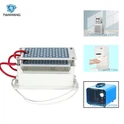
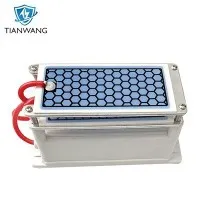
When choosing an ozone generator for a crowded space, several factors need to be considered, including the size of the space, the level of pollution, and the specific needs of the environment. As a supplier, we offer a range of ozone generators to suit different applications, including the 10g ozone generator Cleaner Ozonizer Odor Eliminator, the 20g Portable Ozone Generator Air Sterilizer, and the 5g Ozone generator.
Size of the Space
The size of the space is one of the most important factors to consider when choosing an ozone generator. Larger spaces require more powerful ozone generators to ensure that the ozone is evenly distributed throughout the area. Our ozone generators are available in different ozone output capacities, allowing you to choose the one that is most suitable for the size of your space.
Level of Pollution
The level of pollution in the space also plays a role in determining the appropriate ozone generator. Spaces with high levels of pollution, such as areas with heavy traffic or industrial activities, may require more powerful ozone generators to effectively remove pollutants from the air. On the other hand, spaces with lower levels of pollution may only require a smaller, less powerful ozone generator.
Specific Needs of the Environment
Finally, the specific needs of the environment should also be taken into account when choosing an ozone generator. For example, in a hospital or healthcare facility, the ozone generator should be able to effectively kill bacteria and viruses without producing harmful byproducts. In a food processing facility, the ozone generator should be able to remove odors and prevent the growth of mold and bacteria.


Safety Considerations
While ozone generators can be highly effective in improving air quality in crowded spaces, it's important to use them safely. Ozone is a toxic gas, and high concentrations of ozone can cause respiratory problems, eye irritation, and other health issues. Therefore, it's essential to follow the manufacturer's instructions carefully and ensure that the ozone generator is used in a well-ventilated area.
In addition, it's important to note that ozone generators should not be used in occupied spaces. Before using an ozone generator, all people and pets should be removed from the area, and the generator should be turned off before re-entering the space. This will help to ensure that the ozone concentration has returned to a safe level.
Conclusion
In conclusion, ozone generators are a powerful tool for improving air quality in crowded spaces. By oxidizing pollutants, disinfecting the air, and improving air circulation and filtration, ozone generators can help to create a healthier and more comfortable environment for everyone. As a supplier of ozone generators, we are committed to providing high-quality products that meet the needs of our customers. If you are interested in learning more about our ozone generators or would like to discuss your specific requirements, please feel free to contact us for a purchase negotiation.
References
- American Conference of Governmental Industrial Hygienists (ACGIH). (2023). Threshold Limit Values (TLVs) for Chemical Substances and Physical Agents and Biological Exposure Indices.
- World Health Organization (WHO). (2021). Guidelines for Indoor Air Quality: Selected Pollutants.