Hey there! As a supplier of high voltage coils, I often get asked about short - circuit protection for these coils. So, let's dive right in and talk about what short - circuit protection of a high voltage coil is all about.
What is a High Voltage Coil?
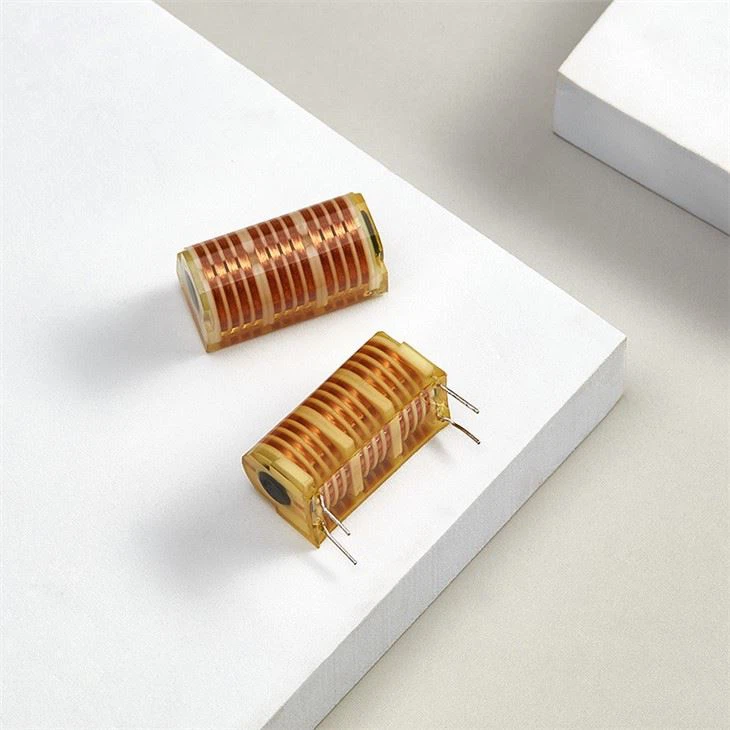
First off, a high voltage coil is a crucial component in many electrical and electronic systems. It's designed to generate a high voltage output from a relatively low voltage input through the principle of electromagnetic induction. We use these coils in a wide range of applications, like High Voltage Ignition Transformer For Water Heater, which are used to ignite the burner in water heaters, High Voltage High Frequency Transformer For Medical Lithotripter for breaking down kidney stones in medical treatments, Ferrite High Frequency Transformer For Gas And Oil Burners in industrial heating systems, 24V car high voltage ignition coil for starting the engine in vehicles, and Flyback Transformer 12v 24v High Voltage Ignition Transformer For Air Purifier for ionizing air particles in air purifiers.
The Problem of Short Circuits
A short circuit occurs when there's an unintended low - resistance connection between two points in an electrical circuit. In the case of a high voltage coil, a short circuit can happen due to various reasons. Maybe there's a breakdown in the insulation of the coil windings, or some conductive debris has found its way into the coil assembly.
When a short circuit happens in a high voltage coil, it can lead to some serious issues. The excessive current flowing through the short - circuited path can cause overheating. This overheating is not only bad for the coil itself, as it can damage the insulation further and even melt the coil windings, but it can also pose a safety hazard. There's a risk of fire or electrical shock, especially in high - power systems.
How Short - Circuit Protection Works
Short - circuit protection for a high voltage coil is all about preventing the damage and safety risks associated with short circuits. There are several ways to achieve this.
Fuses
One of the simplest and most common methods is using fuses. A fuse is a small device with a thin wire or strip of metal that melts when the current flowing through it exceeds a certain value. In a high voltage coil circuit, a fuse is placed in series with the coil. If a short circuit occurs, the fuse will melt, breaking the circuit and stopping the flow of excessive current. It's like a safety valve that protects the coil from getting fried.
Circuit Breakers
Circuit breakers work similar to fuses but can be reset after they have tripped. They use an electromagnetic mechanism or a thermal mechanism to detect excessive current. When the current reaches a dangerous level, the circuit breaker will open the circuit. This is a great option for applications where you don't want to keep replacing fuses every time there's a short circuit. You can just reset the circuit breaker and get the system up and running again.
Current Limiting Resistors
Another way to provide short - circuit protection is by using current limiting resistors. These resistors are placed in the circuit to limit the amount of current that can flow through the coil. If a short circuit happens, the resistor will reduce the current to a safe level, preventing damage to the coil. However, one drawback of using current limiting resistors is that they can cause a voltage drop, which might affect the performance of the coil.
Solid - State Protection Devices
In modern high voltage coil systems, solid - state protection devices are becoming more and more popular. These devices use semiconductor technology to detect and respond to short circuits very quickly. They can sense the change in current or voltage in the circuit and take action within microseconds. Some solid - state protection devices can even provide additional features like over - voltage protection and under - voltage protection, making them a comprehensive solution for protecting high voltage coils.
Importance of Short - Circuit Protection for Our High Voltage Coils
As a high voltage coil supplier, we understand the importance of providing reliable short - circuit protection for our products. Our customers rely on our coils to work safely and efficiently in their applications. Whether it's a water heater, a medical device, or a car engine, a short circuit in the high voltage coil can lead to costly repairs and downtime.
By incorporating effective short - circuit protection in our high voltage coils, we can ensure the longevity of our products. Our coils are designed to withstand normal operating conditions, but short circuits can cause irreversible damage. With proper protection, we can reduce the risk of coil failure and increase customer satisfaction.
Moreover, safety is our top priority. High voltage systems can be extremely dangerous if not properly protected. Short - circuit protection helps us meet the strict safety standards in different industries. We want our customers to use our products with peace of mind, knowing that they are protected from the hazards of short circuits.
Choosing the Right Short - Circuit Protection for Your Application
When it comes to choosing the right short - circuit protection for your high voltage coil application, there are several factors to consider.
Current Rating
The current rating of the protection device is crucial. You need to choose a fuse, circuit breaker, or other protection device that can handle the normal operating current of the coil without tripping. At the same time, it should be able to detect and respond to a short - circuit current quickly.
Response Time
The response time of the protection device is also important. In some applications, a short - circuit needs to be detected and interrupted within a few milliseconds to prevent damage. Solid - state protection devices usually have a faster response time compared to traditional fuses and circuit breakers.

Cost
Cost is always a factor in any engineering decision. You need to balance the cost of the short - circuit protection device with the cost of the high voltage coil and the potential cost of damage and downtime. Sometimes, a more expensive protection device might be worth the investment if it can prevent a major failure in the system.
Contact Us for Your High Voltage Coil Needs
If you're in the market for high voltage coils and are concerned about short - circuit protection, we're here to help. Our team of experts can guide you through the selection process, recommend the best short - circuit protection options for your specific application, and provide you with high - quality high voltage coils. Whether you need a High Voltage Ignition Transformer For Water Heater, a High Voltage High Frequency Transformer For Medical Lithotripter, or any other type of high voltage coil, we've got you covered. Don't hesitate to contact us to start the procurement discussion.
References
- Electric Circuits: Principles and Applications by Allan R. Hambley
- High Voltage Engineering: Theory and Practice by M.S. Naidu and V. Kamaraju