Hey there! As a supplier of ozone generator air systems, I often get asked how these nifty devices work, especially in a room with low air circulation. So, let's dive right in and explore this topic in detail.
First off, what's an ozone generator air system? Well, it's a device that produces ozone, a gas made up of three oxygen atoms (O₃). Ozone is a powerful oxidizing agent, which means it can break down and neutralize all sorts of unwanted stuff in the air, like odors, bacteria, viruses, and mold spores.
In an ideal situation with good air circulation, the ozone produced by the generator can easily spread throughout the room. The air currents help carry the ozone to every nook and cranny, allowing it to work its magic on all the pollutants. But what happens when the air circulation is low?
How Ozone Works in Low Air Circulation
In a room with low air circulation, the ozone generator has to work a bit harder. Without strong air currents, the ozone doesn't disperse as quickly or evenly. But that doesn't mean it's ineffective.
The ozone produced by the generator starts to build up in the immediate vicinity. As the concentration of ozone increases, it begins to react with the pollutants in the air. For example, if there's a musty odor in the room caused by mold, the ozone will break down the organic compounds that are responsible for the smell.
The reaction between ozone and pollutants is a chemical one. Ozone has an extra oxygen atom that it can donate to the pollutants. When it does this, it changes the chemical structure of the pollutants, making them less volatile and less likely to cause odors or health problems.
However, because the air isn't moving much, it might take a bit longer for the ozone to reach all parts of the room. This means that you may need to run the ozone generator for a longer period of time to achieve the desired results.
Factors Affecting Ozone Distribution in Low Air Circulation
There are a few factors that can affect how well an ozone generator works in a room with low air circulation.


Room Size: The size of the room matters a lot. In a small room, the ozone can build up more quickly and reach all areas relatively easily. But in a large room, it might take a long time for the ozone to spread, even if the air circulation is low.
Furniture and Obstacles: Furniture, partitions, and other obstacles can block the movement of ozone. They create pockets of still air where the ozone can't reach easily. So, it's a good idea to move some of the furniture around or open up any partitions to help the ozone spread.
Ozone Output: The amount of ozone produced by the generator also plays a role. A generator with a higher ozone output can produce more ozone in a shorter period of time, which can help it overcome the challenges of low air circulation.
Choosing the Right Ozone Generator for Low Air Circulation
If you're dealing with a room with low air circulation, you'll want to choose an ozone generator that's up to the task. Here are a few options we offer:
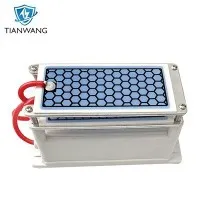
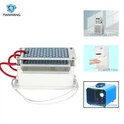
- 10g ozone generator Cleaner Ozonizer Odor Eliminator: This portable generator is great for small to medium-sized rooms. It has a decent ozone output of 10 grams per hour, which is enough to tackle most odors and pollutants in a room with low air circulation.
- 5g Ozone generator: If you have a very small room, like a closet or a bathroom, this 5-gram ozone generator might be just what you need. It's compact and energy-efficient, and it can still get the job done in a low-air-circulation environment.
- 20g Portable Ozone Generator Air Sterilizer: For larger rooms or areas with stubborn odors and pollutants, the 20-gram portable ozone generator is a powerful option. It can quickly produce a high concentration of ozone, which can help it penetrate even the most stagnant air.
Tips for Using an Ozone Generator in Low Air Circulation
Here are some tips to help you get the most out of your ozone generator in a room with low air circulation:
- Place the Generator Strategically: Put the generator in a central location if possible. This will allow the ozone to spread out in all directions. Avoid placing it too close to walls or furniture, as this can block the ozone's movement.
- Use Fans: You can use small fans to help circulate the air. Point the fans towards the areas where you think the ozone needs to reach. This will help the ozone cover more ground and work more effectively.
- Run the Generator for Longer Periods: As I mentioned earlier, it might take longer for the ozone to work in a room with low air circulation. So, run the generator for a few hours at a time, depending on the size of the room and the severity of the problem.
- Ventilate the Room After Use: After you've run the ozone generator, make sure to ventilate the room thoroughly. Open the windows and doors to let fresh air in and remove any remaining ozone. Ozone can be harmful to humans and pets in high concentrations, so it's important to follow safety guidelines.
Contact Us for Your Ozone Generator Needs
If you're interested in purchasing an ozone generator for a room with low air circulation, we're here to help. We've got a wide range of options to suit different needs and budgets. Whether you're dealing with a small space or a large area, we can recommend the right ozone generator for you.
Don't hesitate to reach out and start a conversation with us. We're passionate about providing high-quality ozone generator air systems and excellent customer service. Let's work together to improve the air quality in your space!
References
- [1] "Ozone Air Purifiers: What Are They and How Do They Work?" by the Environmental Protection Agency.
- [2] "The Science of Ozone Generation" by the International Ozone Association.