As a supplier of ozone purifiers, I've witnessed firsthand the growing interest in air - cleaning solutions. Ozone purifiers are a unique product in the air - cleaning market, and understanding how they interact with other air - cleaning devices is crucial for consumers and industry professionals alike.
The Basics of Ozone Purifiers
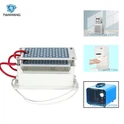
Ozone purifiers work by generating ozone (O₃), a highly reactive gas. Ozone has strong oxidizing properties, which allow it to break down and neutralize various pollutants in the air, including odors, bacteria, viruses, and some volatile organic compounds (VOCs). Our 20g Portable Ozone Generator Air Sterilizer is a powerful device that can produce a significant amount of ozone, suitable for larger spaces.
Interaction with HEPA Filters
HEPA (High - Efficiency Particulate Air) filters are one of the most common air - cleaning devices. They are designed to trap particles as small as 0.3 microns with an efficiency of 99.97%. HEPA filters are excellent at removing dust, pollen, pet dander, and some larger particulate matter from the air.
When an ozone purifier is used in conjunction with a HEPA filter, the two devices can complement each other. The ozone purifier can break down gaseous pollutants and some microorganisms that the HEPA filter may not be able to capture. For example, ozone can oxidize VOCs released from furniture, paints, and cleaning products. Meanwhile, the HEPA filter can remove the solid by - products that may be formed during the ozone oxidation process.
However, it's important to note that high levels of ozone can potentially damage the HEPA filter over time. Ozone can react with the filter material, causing it to degrade and reduce its effectiveness. Therefore, when using an ozone purifier and a HEPA filter together, it's advisable to control the ozone output and ensure proper ventilation. Our 5g Ozone generator is a great option for a more moderate ozone output when used in combination with a HEPA filter.
Interaction with Activated Carbon Filters
Activated carbon filters are another popular air - cleaning device. They work by adsorbing gaseous pollutants, such as odors, VOCs, and some chemicals. Activated carbon has a large surface area with many pores, which can trap and hold these pollutants.
An ozone purifier and an activated carbon filter can work synergistically. The ozone purifier can break down large and complex molecules of pollutants into smaller, more easily adsorbed forms. The activated carbon filter can then capture these smaller molecules. For instance, ozone can break down long - chain VOCs into shorter - chain compounds, which are more readily adsorbed by the activated carbon.

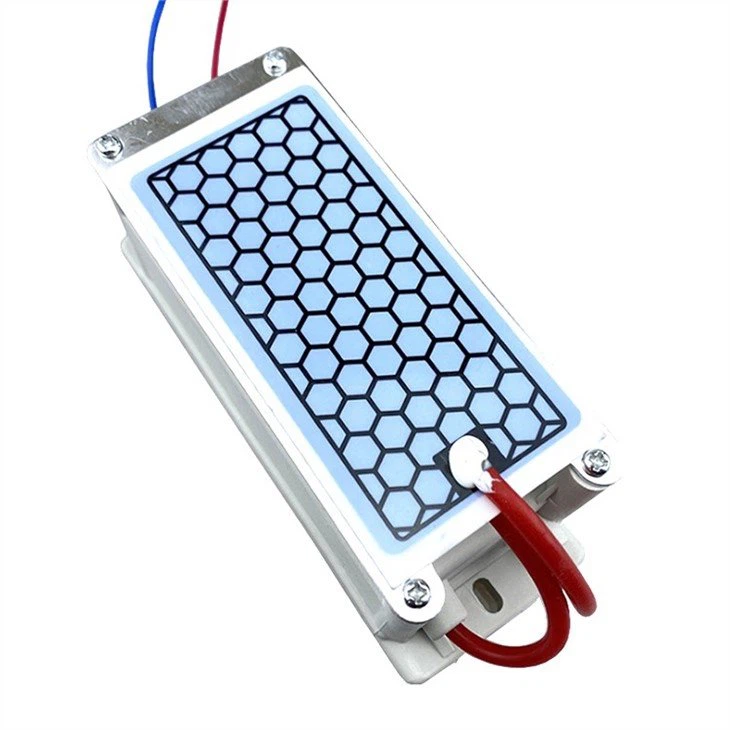
On the other hand, ozone can also cause the activated carbon to release some of the previously adsorbed pollutants. This is because ozone can react with the adsorbed molecules, changing their chemical structure and causing them to desorb from the carbon surface. To mitigate this issue, it's recommended to use a high - quality activated carbon filter and to ensure that the ozone levels are within a reasonable range. Our 10g ozone generator Cleaner Ozonizer Odor Eliminator can be adjusted to provide an appropriate amount of ozone for this combined use.
Interaction with Ionizers
Ionizers work by emitting negative ions into the air. These negative ions attach to positively charged particles, such as dust and pollen, causing them to clump together and fall out of the air. Ionizers are effective at reducing the concentration of airborne particulate matter.
When an ozone purifier is used with an ionizer, the ozone can enhance the ionizing effect. Ozone can act as a carrier for the negative ions, helping them to spread more evenly in the air and increasing their ability to attach to particles. However, it's important to be cautious as both ozone purifiers and ionizers can produce ozone as a by - product. If the ozone levels from both devices are not properly controlled, it can lead to an excessive concentration of ozone in the air, which can be harmful to human health.
Safety Considerations
While ozone purifiers can be effective air - cleaning devices when used correctly, safety is of utmost importance. Ozone is a toxic gas, and exposure to high levels of ozone can cause respiratory problems, eye irritation, and other health issues. When using an ozone purifier in combination with other air - cleaning devices, it's essential to follow the manufacturer's instructions carefully.
It's recommended to use ozone purifiers in unoccupied spaces and to ensure proper ventilation after the ozone treatment. The ozone levels should be monitored, and the output of the ozone purifier should be adjusted according to the size of the space and the type of pollutants present.
Benefits of Combining Ozone Purifiers with Other Devices
Combining an ozone purifier with other air - cleaning devices can provide a more comprehensive air - cleaning solution. Different devices target different types of pollutants, and by using them together, we can achieve a higher level of air quality. For example, in a room with both particulate matter and strong odors, a HEPA filter can remove the dust and pollen, while an ozone purifier can eliminate the odors and break down any microbial contaminants.
Applications in Different Settings
In residential settings, the combination of an ozone purifier and other air - cleaning devices can create a healthier living environment. For example, in a home with pets, a HEPA filter can remove pet dander, and an ozone purifier can eliminate pet odors and disinfect the air.
In commercial settings, such as offices and hotels, the use of multiple air - cleaning devices can improve the indoor air quality for employees and guests. An ozone purifier can be used during off - hours to disinfect the space, while HEPA and activated carbon filters can operate continuously to remove pollutants.
Conclusion
In conclusion, ozone purifiers can interact with other air - cleaning devices in various ways, both positively and negatively. When used correctly, the combination of an ozone purifier with HEPA filters, activated carbon filters, and ionizers can provide a more effective air - cleaning solution. However, safety must always be the top priority.
If you're interested in learning more about our ozone purifiers and how they can be used in combination with other air - cleaning devices, or if you're looking to make a purchase, please feel free to contact us for a procurement negotiation. We're here to help you find the best air - cleaning solution for your needs.
References
- American Lung Association. "Ozone Generators That Are Sold As Air Cleaners."
- Environmental Protection Agency. "Air Cleaners and Filters."
- World Health Organization. "Indoor Air Quality: Household Fuel Combustion."