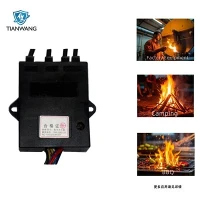
As a seasoned supplier of gas stove igniters, I've witnessed firsthand the importance of proper maintenance to ensure these essential components function optimally. One crucial aspect of maintenance is lubrication, which can significantly extend the lifespan of a gas stove igniter and enhance its performance. In this blog post, I'll share some valuable insights on how to lubricate a gas stove igniter, if applicable, and why it matters.
Understanding the Need for Lubrication
Before delving into the lubrication process, it's essential to understand why lubrication is necessary for certain types of gas stove igniters. Over time, the moving parts within an igniter can experience friction, which can lead to wear and tear. This friction can cause the igniter to malfunction, resulting in issues such as weak sparks or failure to ignite the gas. Lubrication helps reduce friction between these moving parts, allowing them to operate smoothly and efficiently.
However, not all gas stove igniters require lubrication. Some modern igniters are designed with self-lubricating components or are sealed to prevent dust and debris from entering, eliminating the need for additional lubrication. Therefore, it's crucial to consult your igniter's user manual or contact the manufacturer to determine if lubrication is necessary for your specific model.
Types of Gas Stove Igniters
There are several types of gas stove igniters available on the market, each with its own unique design and operating principles. Here are some common types:
- Piezoelectric Igniters: These igniters generate a spark by applying pressure to a piezoelectric crystal, which produces an electric charge. Piezoelectric igniters are commonly found in older gas stoves and do not typically require lubrication.
- Electronic Igniters: Electronic igniters use an electrical circuit to generate a spark. They are more reliable and efficient than piezoelectric igniters and are commonly found in modern gas stoves. Some electronic igniters may require lubrication, depending on their design.
- Continuous High Voltage Pulse Igniters: These igniters produce a continuous series of high-voltage pulses to ignite the gas. They are commonly used in gas wall-mounted furnaces and heating stoves. The Continuous High Voltage Pulse Igniter For Gas Wall-mounted Furnace Heating Stove is an example of this type of igniter.
- Infrared Electric Pulse Sparker Igniters: These igniters use infrared technology to generate a spark. They are commonly used in commercial gas stoves and are known for their fast ignition and high reliability. The 220VAC Infrared Electric Pulse Sparker Igniter is an example of this type of igniter.
- 12V General Electronic Gas Stove Igniters: These igniters are powered by a 12V battery or power supply and are commonly used in portable gas stoves. The 12v General Electronic Gas Stove Igniter is an example of this type of igniter.
Tools and Materials Needed
If your gas stove igniter requires lubrication, you'll need the following tools and materials:
- Lubricant: Choose a high-quality lubricant that is specifically designed for use on electrical components. Avoid using petroleum-based lubricants, as they can damage the igniter's insulation and cause electrical shorts.
- Small Brush: A small brush, such as a paintbrush or toothbrush, can be used to apply the lubricant to the igniter's moving parts.
- Safety Gloves and Goggles: Wear safety gloves and goggles to protect your hands and eyes from the lubricant and any debris that may be dislodged during the lubrication process.
Lubrication Process
Here's a step-by-step guide on how to lubricate a gas stove igniter:
- Turn Off the Gas Supply: Before beginning any maintenance on your gas stove, turn off the gas supply to prevent the risk of fire or explosion.
- Disconnect the Igniter: Remove the igniter from the gas stove by following the instructions in your user manual. This may involve removing screws or disconnecting electrical connectors.
- Inspect the Igniter: Carefully inspect the igniter for any signs of damage or wear. Look for cracks, breaks, or loose connections. If you notice any damage, replace the igniter before proceeding with the lubrication process.
- Clean the Igniter: Use a small brush to remove any dust, debris, or dirt from the igniter's moving parts. This will ensure that the lubricant can penetrate the components and provide maximum protection.
- Apply the Lubricant: Apply a small amount of lubricant to the igniter's moving parts, such as the pivot points, gears, or bearings. Use the small brush to spread the lubricant evenly over the surfaces. Be careful not to apply too much lubricant, as this can attract dust and debris and cause the igniter to malfunction.
- Reassemble the Igniter: Once the lubricant has been applied, reassemble the igniter by following the instructions in your user manual. Make sure all screws are tightened securely and all electrical connectors are properly connected.
- Test the Igniter: Turn on the gas supply and test the igniter to ensure it is working properly. If the igniter fails to ignite the gas or produces a weak spark, repeat the lubrication process or contact a professional technician for further assistance.
Tips for Maintaining Your Gas Stove Igniter
In addition to lubrication, there are several other steps you can take to maintain your gas stove igniter and ensure its optimal performance:
- Keep the Igniter Clean: Regularly clean the igniter to remove any dust, debris, or dirt that may accumulate on its surfaces. This will prevent the igniter from malfunctioning and extend its lifespan.
- Avoid Overloading the Igniter: Do not use the igniter to ignite large amounts of gas or for extended periods of time. This can cause the igniter to overheat and damage its components.
- Replace the Igniter When Necessary: If your igniter is damaged, worn, or malfunctioning, replace it as soon as possible. Using a faulty igniter can be dangerous and may cause a fire or explosion.
- Follow the Manufacturer's Instructions: Always follow the manufacturer's instructions for installing, using, and maintaining your gas stove igniter. This will ensure that the igniter is used correctly and safely.
Conclusion
Lubricating a gas stove igniter, if applicable, is an important part of maintaining its performance and extending its lifespan. By following the steps outlined in this blog post and taking the necessary precautions, you can ensure that your igniter operates smoothly and efficiently for years to come.
If you're in the market for a new gas stove igniter or have any questions about lubrication or maintenance, please don't hesitate to contact us. As a leading supplier of gas stove igniters, we offer a wide range of high-quality products and expert advice to help you find the perfect solution for your needs. Contact us today to learn more and start the procurement negotiation process.


References
- Manufacturer's user manuals for gas stove igniters
- Industry standards and best practices for gas stove igniter maintenance