Troubleshooting an ozone generator CE can be a bit of a headache, but don't worry! As an ozone generator CE supplier, I've dealt with all sorts of issues over the years. In this blog post, I'll share some common problems and how you can fix them.
Understanding the Basics of an Ozone Generator CE
First things first, let's quickly go over what an ozone generator CE is. The "CE" stands for Conformité Européene, which means the product meets the safety, health, and environmental protection standards for the European Economic Area. An ozone generator is a device that produces ozone gas, which can be used for air purification, odor removal, and water treatment.
Common Problems and Solutions
1. No Ozone Production
One of the most common issues is when the ozone generator doesn't produce any ozone at all. Here are some possible reasons and solutions:
- Power Supply Issues: Check if the ozone generator is properly plugged in and receiving power. A loose connection or a blown fuse can prevent the device from working. Try plugging it into a different outlet or replacing the fuse if necessary.
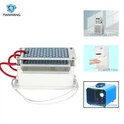
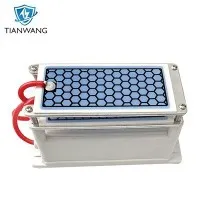
- Electrode or Ozone Plate Problems: The electrodes or ozone plates are crucial components for ozone production. Over time, they can become dirty or damaged. If you have a Ceramic Ozone Plate for Air Purifier Parts 5g, inspect it for any signs of wear or debris. Clean it gently with a soft brush or replace it if it's severely damaged.
2. Low Ozone Output
If you notice that the ozone output is lower than expected, here's what you can do:
- Airflow Restrictions: Ozone generators need proper airflow to function effectively. Check if there are any obstructions around the intake or outlet vents. Remove any dust, debris, or objects that might be blocking the airflow.
- Gas Quality: The quality of the gas (usually air) entering the generator can affect ozone production. If the air is too humid or contains contaminants, it can reduce the ozone output. Consider using a pre - filter to remove impurities before the air enters the generator.
3. Strange Noises
Strange noises coming from the ozone generator can be a sign of a problem.
- Loose Parts: Some components inside the generator might have become loose over time. Open the device carefully (make sure it's unplugged first!) and check for any loose screws, wires, or parts. Tighten or re - secure them as needed.
- Mechanical Issues: If the noise is more like a grinding or rattling sound, it could indicate a problem with the fan or other moving parts. In this case, you might need to take the generator to a professional for repair or replace the faulty part.
4. Overheating
An overheating ozone generator is not only inefficient but also potentially dangerous.

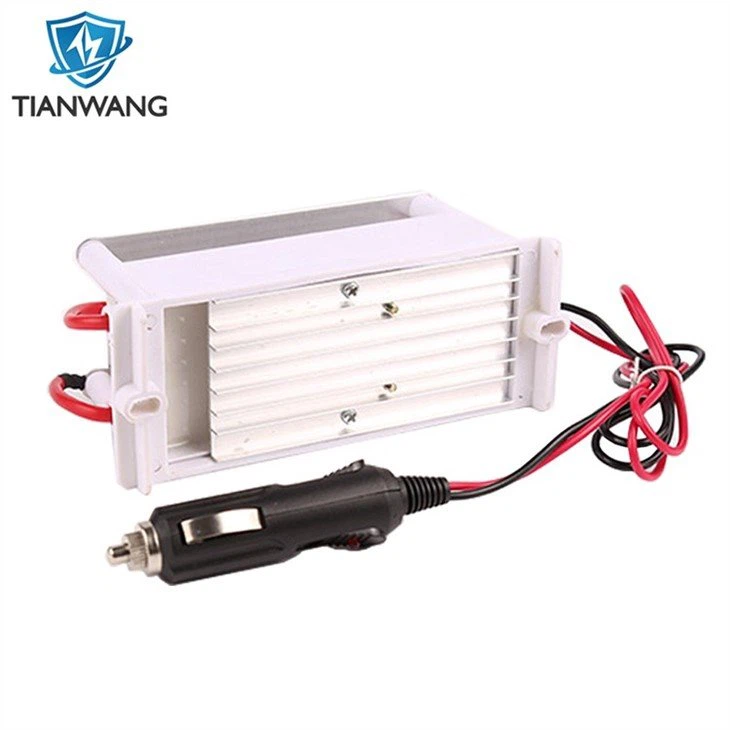
- Ventilation Problems: Adequate ventilation is essential to prevent overheating. Make sure the generator is placed in a well - ventilated area and that the vents are not blocked.
- Internal Faults: There could be an internal short - circuit or a problem with the cooling system. If you suspect an internal fault, stop using the generator immediately and have it inspected by a professional.
Advanced Troubleshooting
Sometimes, the problem might not be apparent from the common issues above. Here are some more advanced troubleshooting steps:
- Check the Control Panel: Modern ozone generators often come with a control panel. If the generator is not working properly, check the settings on the control panel. Make sure the timer, ozone output level, and other settings are configured correctly.
- Use a Multimeter: A multimeter can be a useful tool to check the electrical components of the ozone generator. You can use it to test the voltage, current, and resistance of different parts to see if there are any electrical problems.
Preventive Maintenance
To avoid future problems with your ozone generator CE, here are some preventive maintenance tips:
- Regular Cleaning: Clean the ozone generator regularly, especially the intake and outlet vents, electrodes, and ozone plates. This will help maintain optimal performance and prevent the buildup of dirt and debris.
- Manufacturer's Guidelines: Follow the manufacturer's guidelines for use and maintenance. This includes using the correct power supply, avoiding overloading the generator, and replacing parts at the recommended intervals.
When to Call a Professional
If you've tried all the troubleshooting steps above and still can't fix the problem, it's time to call a professional. A professional technician has the expertise and tools to diagnose and repair complex issues with your ozone generator CE.
Choosing the Right Ozone Generator
If you're in the market for a new ozone generator, consider our New Material 50mg 100mg DC 12V Mini Air Purifier Ozone Generator Ionizer For Kitchen Appliances or 12v 5g Odor Mini Car Ozone Generator. These generators are designed to be reliable and efficient, and they come with the CE certification, ensuring their safety and quality.
Conclusion
Troubleshooting an ozone generator CE can seem daunting, but with a little knowledge and some basic tools, you can often fix the problem yourself. Remember to follow the preventive maintenance tips to keep your generator in good condition. If you have any questions or if you're interested in purchasing an ozone generator, don't hesitate to contact us for a friendly chat about your needs. We're here to help you find the best solution for your ozone generation requirements.
References
- General knowledge from years of experience as an ozone generator supplier.
- Ozone generator product manuals and technical specifications.