As a supplier of car ozone generators, I often receive inquiries from customers about the power consumption of these devices. Understanding the power consumption of a car ozone generator is crucial for several reasons. It helps in assessing long - term operating costs, ensuring compatibility with the car's electrical system, and making informed purchasing decisions. In this blog, I will delve into the factors that influence the power consumption of car ozone generators and provide some typical values.
Factors Affecting Power Consumption
The power consumption of a car ozone generator is influenced by multiple factors. The most significant one is the ozone output capacity. Generally, the higher the ozone production rate, the more power the generator consumes. This is because generating ozone requires energy to break the oxygen molecules (O₂) in the air and recombine them into ozone (O₃).
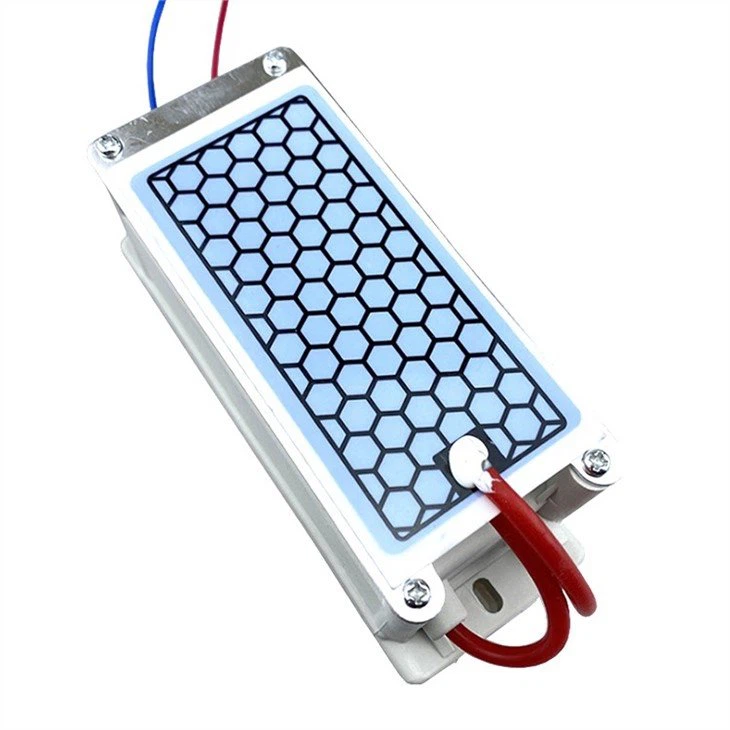
For example, our 20g Portable Ozone Generator Air Sterilizer is designed to produce 20 grams of ozone per hour. To achieve this relatively high output, it needs more electrical energy compared to generators with lower output. In contrast, our 5g Ozone generator has a lower ozone production capacity of 5 grams per hour, and thus consumes less power.
Another factor is the generator's efficiency. Different models and manufacturers may use various technologies and materials in the production of ozone generators. More advanced and efficient designs can produce the same amount of ozone with less power. For instance, some generators use high - quality dielectric materials and advanced corona discharge technologies, which can convert electrical energy into ozone more effectively, reducing overall power consumption.
The design of the power supply also plays a role. Car ozone generators can be powered by the car's 12V battery or through an AC adapter. The conversion efficiency of the power supply from the input voltage to the voltage required by the ozone - generating unit affects power consumption. A well - designed power supply can minimize energy losses during the conversion process.
Typical Power Consumption Values
Let's take a look at some typical power consumption values for different types of car ozone generators.
Our 5g Ozone generator usually consumes around 5 - 10 watts of power. This is a relatively low - power device, suitable for small cars or for use in situations where only a limited amount of ozone is needed. For example, if you have a compact car and just want to eliminate some light odors, this generator can do the job without putting too much strain on the car's battery.
The 10g ozone generator Cleaner Ozonizer Odor Eliminator has a power consumption in the range of 10 - 20 watts. With a higher ozone output, it can handle larger cars or more stubborn odors. It strikes a balance between ozone production and power usage, making it a popular choice among many car owners.
As for our 20g Portable Ozone Generator Air Sterilizer, it consumes approximately 20 - 30 watts. This high - capacity generator is ideal for large vehicles such as SUVs or vans, or for use in commercial settings where rapid and thorough odor removal and air sterilization are required.
Impact of Power Consumption on the Car's Electrical System
It is important to consider the impact of the power consumption of the car ozone generator on the car's electrical system. Most modern cars have a 12V electrical system with a certain power - generating capacity from the alternator. When the car is running, the alternator can supply power to various electrical devices, including the ozone generator.
However, if the ozone generator has a very high power consumption and the car's electrical system is already under a heavy load (for example, when multiple electrical accessories such as the radio, air conditioner, and headlights are in use), it may put additional stress on the alternator and battery. In some cases, it could lead to a drained battery if the car is not running for an extended period while the ozone generator is on.
To ensure the safe and proper operation of the car ozone generator, it is recommended to check the car's electrical system specifications and choose a generator with an appropriate power consumption level. If you are unsure, you can consult your car's manufacturer or a professional automotive electrician.
Cost - Benefit Analysis of Power Consumption
When considering the power consumption of a car ozone generator, it is also necessary to conduct a cost - benefit analysis. The cost of electricity is an important factor. Although the power consumption of car ozone generators is generally relatively low, over time, it can still add up.
On the other hand, the benefits of using an ozone generator in a car are significant. Ozone is a powerful oxidant that can effectively eliminate odors caused by smoke, food, pets, and mildew. It can also kill bacteria, viruses, and fungi in the air, improving the air quality inside the car and creating a healthier environment for passengers.
For example, if you use a 10 - watt ozone generator for 2 hours a day, and the cost of electricity is $0.15 per kilowatt - hour, the daily cost of running the generator is only about $0.003 (calculated as 10 watts = 0.01 kilowatts, 0.01 kilowatts * 2 hours * $0.15 per kilowatt - hour). Considering the long - term benefits of cleaner and fresher air in the car, this cost is relatively small.

Choosing the Right Car Ozone Generator Based on Power Consumption
When choosing a car ozone generator, power consumption should be one of the factors to consider, but not the only one. You also need to take into account the size of your car, the severity of the odor problem, and your specific needs.
If you have a small car and only need to deal with mild odors, a low - power 5g Ozone generator may be sufficient. It consumes less power and is more cost - effective in the long run.
For larger cars or more serious odor issues, a 10g ozone generator Cleaner Ozonizer Odor Eliminator or a 20g Portable Ozone Generator Air Sterilizer may be more appropriate. Although they consume more power, they can provide more effective odor removal and air sterilization.
Conclusion
In conclusion, the power consumption of a car ozone generator is influenced by factors such as ozone output capacity, efficiency, and power supply design. Typical power consumption values range from 5 - 30 watts depending on the model. It is essential to consider the impact of power consumption on the car's electrical system and conduct a cost - benefit analysis.
If you are interested in purchasing a car ozone generator, we offer a variety of models with different ozone output capacities and power consumption levels. Our products are designed to provide high - quality ozone generation while ensuring energy efficiency. We are more than happy to discuss your specific needs and help you choose the most suitable product. Please feel free to reach out to us for further information and to start a purchasing negotiation.
References
- "Ozone Generation Technology and Applications" - A comprehensive guide on ozone generation principles and practical uses.
- Automotive Electrical System Manuals - Provide information on the power - generating capacity and electrical specifications of different car models.