As a supplier of car ozone generators, I often encounter questions from customers about the potential harm of ozone produced by these devices to humans. In this blog post, I will delve into this topic, presenting scientific facts to help you make an informed decision.
Understanding Ozone and Its Properties
Ozone (O₃) is a molecule composed of three oxygen atoms. It occurs naturally in the Earth's atmosphere, where it plays a crucial role in protecting us from the sun's harmful ultraviolet (UV) radiation. In the stratosphere, the ozone layer absorbs a significant portion of UV rays, preventing them from reaching the Earth's surface and causing damage to living organisms.
However, at ground level, ozone can be a pollutant. It is formed through complex chemical reactions involving nitrogen oxides (NOₓ) and volatile organic compounds (VOCs) in the presence of sunlight. Ground - level ozone is a major component of smog and can have adverse effects on human health and the environment.
How Car Ozone Generators Work
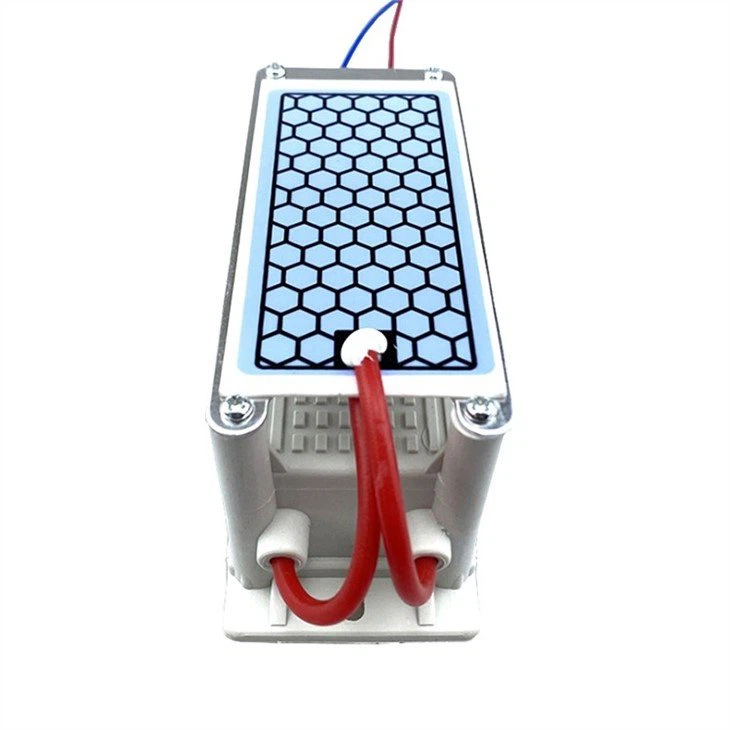
Car ozone generators are designed to produce ozone for the purpose of air purification and odor removal in vehicles. These devices typically use corona discharge or ultraviolet light to convert oxygen (O₂) molecules into ozone (O₃). When ozone is released into the car's interior, it reacts with odorous molecules and pollutants, breaking them down into smaller, less odorous compounds.
Our company offers a range of car ozone generators, including the 20g Portable Ozone Generator Air Sterilizer, the 5g Ozone generator, and the 10g ozone generator Cleaner Ozonizer Odor Eliminator. Each of these models is engineered to provide efficient ozone production according to different needs.
Potential Harm of Ozone to Humans
The potential harm of ozone to humans depends largely on the concentration and duration of exposure. At high concentrations, ozone can be extremely harmful. When inhaled, ozone can irritate the respiratory system, causing coughing, shortness of breath, and throat irritation. It can also reduce lung function, especially in people with pre - existing respiratory conditions such as asthma, chronic obstructive pulmonary disease (COPD), and emphysema.
Prolonged exposure to high levels of ozone can lead to more serious health problems, including inflammation of the airways, increased susceptibility to respiratory infections, and long - term damage to the lungs. Additionally, ozone can react with other chemicals in the air to form secondary pollutants, which may also pose health risks.

Safe Use of Car Ozone Generators
The key to using car ozone generators safely is to ensure that ozone concentrations do not exceed the recommended limits. The World Health Organization (WHO) recommends that the 8 - hour average ozone concentration should not exceed 100 micrograms per cubic meter (μg/m³). In the United States, the Environmental Protection Agency (EPA) has set a national ambient air quality standard for ozone of 70 parts per billion (ppb) over an 8 - hour period.
When using a car ozone generator, it is important to follow these safety guidelines:
- Ventilation: Always ensure proper ventilation in the vehicle. After running the ozone generator, open the car doors and windows for a sufficient period to allow the ozone to dissipate.
- Occupancy: Do not occupy the vehicle while the ozone generator is in operation. Ozone can be harmful when inhaled, so it is best to leave the car during the ozone treatment.
- Duration: Do not run the ozone generator for an extended period. Follow the manufacturer's instructions regarding the recommended operating time.
Benefits of Using Car Ozone Generators
Despite the potential risks, when used correctly, car ozone generators can offer significant benefits. They are highly effective in removing stubborn odors such as cigarette smoke, food odors, and pet smells. Ozone can also help to eliminate bacteria, viruses, and mold spores in the car's interior, creating a cleaner and healthier environment.
For example, if you have a car that has been used by a smoker, traditional air fresheners may only mask the smell temporarily. A car ozone generator, on the other hand, can break down the smoke molecules and remove the odor at its source.
Scientific Studies on Ozone and Health
Numerous scientific studies have been conducted to assess the health effects of ozone. A study published in the American Journal of Respiratory and Critical Care Medicine found that short - term exposure to ozone can cause airway inflammation and reduce lung function in healthy individuals. Another study by the EPA showed that long - term exposure to ozone is associated with an increased risk of premature death, especially in people with respiratory diseases.
However, it is important to note that these studies are mainly focused on ambient ozone pollution, which often occurs at much higher concentrations and for longer durations than the ozone produced by a properly used car ozone generator.
Conclusion
In conclusion, the ozone produced by a car ozone generator can be harmful to humans if not used correctly. However, when used in accordance with safety guidelines, the risks can be minimized, and the benefits of odor removal and air purification can be enjoyed.
As a supplier of car ozone generators, we are committed to providing high - quality products and ensuring that our customers are well - informed about their safe use. If you are interested in purchasing our car ozone generators or have any questions about their use, please feel free to contact us for further discussion. We are here to help you make the best choice for your vehicle's air quality.
References
- American Journal of Respiratory and Critical Care Medicine. "Health effects of short - term ozone exposure."
- Environmental Protection Agency (EPA). "National Ambient Air Quality Standards for Ozone."
- World Health Organization (WHO). "Air quality guidelines for ozone."