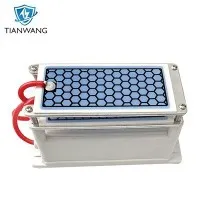
As a supplier of home ozone generators, I often get asked about the energy consumption levels of these nifty devices. It's a valid question, especially in today's world where everyone's looking to cut down on energy bills and be more eco - friendly. So, let's dive into the nitty - gritty of how much energy home ozone generators actually use.
Understanding Ozone Generators First
Before we talk about energy consumption, let's quickly go over what home ozone generators are. These machines produce ozone (O₃), a gas that can help with air purification, odor elimination, and even sterilization. They work by using electricity to convert oxygen (O₂) molecules into ozone. There are different types and sizes of home ozone generators, and their energy use can vary quite a bit.
Factors Affecting Energy Consumption
The energy consumption of a home ozone generator depends on several factors. First off, the output capacity is a major one. A generator with a higher ozone output will generally use more energy. For example, a 20 - gram per hour ozone generator will consume more power than a 5 - gram per hour one. This is because it has to work harder to produce a larger amount of ozone.
The technology used in the generator also plays a role. Some ozone generators use corona discharge technology, which involves creating a high - voltage electrical discharge to convert oxygen to ozone. Others use ultraviolet (UV) light technology. Corona discharge generators usually consume more energy compared to UV - based ones, as the high - voltage process requires more power.
Energy Consumption Levels of Different Models
5g Ozone generator
Let's start with the smaller ones. A 5g Ozone generator is great for small spaces like a closet or a small bathroom. These typically have a relatively low energy consumption. On average, a 5 - gram per hour ozone generator might use around 10 - 20 watts of power. If you run it for about an hour a day, that's not a whole lot of energy. In terms of cost, assuming an electricity rate of $0.15 per kilowatt - hour, running this generator for an hour a day would cost you about $0.0015 - $0.003 per day. Over a month (30 days), it would be around $0.045 - $0.09.
10g ozone generator Cleaner Ozonizer Odor Eliminator
Moving up to the 10g ozone generator Cleaner Ozonizer Odor Eliminator, this is suitable for medium - sized rooms. It has a higher output, so it uses more energy. A 10 - gram per hour ozone generator usually consumes around 20 - 40 watts. If you run it for an hour a day, at the same electricity rate of $0.15 per kilowatt - hour, the daily cost would be about $0.003 - $0.006. Over a month, that adds up to around $0.09 - $0.18.
20g Portable Ozone Generator Air Sterilizer
The 20g Portable Ozone Generator Air Sterilizer is for larger spaces like big living rooms or offices. With its high output, it consumes more energy. These generators typically use around 40 - 80 watts. Running it for an hour a day would cost you about $0.006 - $0.012 at the same electricity rate. Over a month, that's about $0.18 - $0.36.
Comparing with Other Home Appliances
To put these energy consumption levels into perspective, let's compare them with some common home appliances. A small desk fan might use around 20 - 50 watts, similar to a 10g ozone generator. A microwave oven, on the other hand, can use anywhere from 600 - 1500 watts. So, in the grand scheme of things, home ozone generators are relatively low - energy devices, especially when you consider the benefits they offer.
Tips to Reduce Energy Consumption
If you're worried about the energy use of your home ozone generator, there are a few things you can do. First, use it only when necessary. You don't need to run it 24/7. For example, if you're using it to eliminate odors after cooking, run it for an hour or so after the meal.
Also, make sure to choose the right - sized generator for your space. Using a 20g generator in a small closet is overkill and will waste energy. Match the generator's output to the size of the area you want to treat.
Maintenance and Energy Efficiency
Proper maintenance of your ozone generator can also help keep energy consumption down. Over time, the internal components of the generator can get dirty, which can make the machine work harder and use more energy. So, follow the manufacturer's cleaning and maintenance instructions regularly. Check the filters (if any) and clean or replace them as needed. This not only helps with energy efficiency but also extends the lifespan of your ozone generator.


Why Choose Our Home Ozone Generators
As a supplier, I can tell you that our home ozone generators are designed with energy efficiency in mind. We've optimized the technology to produce the right amount of ozone with minimal energy use. Whether you need a small 5g generator for a tight space or a powerful 20g one for a large area, we've got you covered.
Our generators are also built to last. We use high - quality components that are reliable and durable. You won't have to worry about frequent breakdowns or replacements, which is not only good for your wallet but also for the environment.
Contact Us for Purchasing
If you're interested in our home ozone generators, we'd love to talk to you. Whether you have questions about energy consumption, ozone output, or any other aspect, just reach out. We can help you choose the right model for your needs and budget. Let's work together to create a cleaner, fresher, and more energy - efficient home environment.
References
- "Ozone Generators: How They Work and Their Energy Use", Journal of Home Appliance Science
- "Energy Efficiency of Small Home Devices", National Energy Research Institute