Hey there! As a home air purifier supplier, I've seen a ton of different models and features over the years. Picking the right air purifier for your home can be a real head - scratcher, but don't worry! I'm here to break down the key features you should keep an eye out for.
Filtration System
The heart and soul of any air purifier is its filtration system. This is what actually cleans the air in your home. There are several types of filters you'll commonly come across.
HEPA Filters
HEPA (High - Efficiency Particulate Air) filters are like the gold standard. They can trap at least 99.97% of particles that are 0.3 microns in diameter. That includes things like dust, pollen, pet dander, and even some bacteria. If you or someone in your family has allergies or asthma, a HEPA filter is a must - have. It'll do a great job of keeping the air in your home clean and reducing those pesky allergy symptoms.
Activated Carbon Filters
These filters are great for getting rid of odors and chemicals. They work by adsorbing (not absorbing) gases and volatile organic compounds (VOCs). If you cook a lot at home, have a smoker in the house, or use cleaning products with strong smells, an activated carbon filter can really help freshen up the air. It can also be useful if you live near a busy road or an industrial area where there might be more pollutants in the air.
Pre - filters
Pre - filters are the first line of defense. They catch larger particles like hair and lint, which helps to extend the life of the other filters in the air purifier. Think of them as a sort of "bodyguard" for the more delicate filters.
Some of our air purifiers come with a combination of these filters. For example, a unit might have a pre - filter, followed by a HEPA filter, and then an activated carbon filter. This multi - stage filtration system can provide comprehensive air cleaning.
CADR (Clean Air Delivery Rate)
CADR is a measure of how quickly an air purifier can clean the air in a room. It's usually measured in cubic feet per minute (CFM). The higher the CADR, the faster the air purifier can clean the air. When you're looking at an air purifier, check the CADR ratings for different pollutants like dust, pollen, and smoke. This will give you an idea of how well the unit will work in your specific environment.
For instance, if you live in a dusty area, you'll want an air purifier with a high CADR for dust. If you have a smoker in the house, a high CADR for smoke is important. You can use the CADR rating to figure out what size air purifier you need for your room. As a general rule, for a small room (up to 150 square feet), a CADR of around 100 - 150 CFM is sufficient. For a medium - sized room (150 - 300 square feet), aim for a CADR of 150 - 300 CFM. And for a large room (over 300 square feet), you'll want a CADR of 300 CFM or more.
Ozone Emission
Ozone is a gas that can be both good and bad. In the upper atmosphere, it protects us from the sun's harmful UV rays. But at ground level, high levels of ozone can be harmful to our health. Some air purifiers, especially those that use certain types of technologies like ionizers or ozone generators, can produce ozone as a by - product.
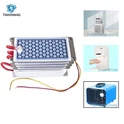
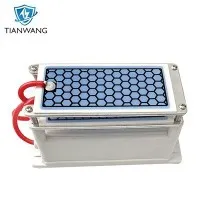
You definitely want to avoid air purifiers that emit high levels of ozone. The Environmental Protection Agency (EPA) recommends that air purifiers emit less than 0.05 parts per million (ppm) of ozone. However, some ozone generators can be used in a controlled way. For example, our 5g Ozone generator and 20g Portable Ozone Generator Air Sterilizer can be used to sterilize the air in unoccupied spaces. They should be used with caution, following the instructions carefully to ensure safe operation.
Noise Level
Let's face it, nobody wants a noisy air purifier. You want it to do its job quietly in the background. Most air purifiers have different speed settings, and the noise level can vary depending on which setting you're using.
On low speed, an air purifier should be barely audible. It might make a soft humming sound, but it shouldn't be enough to disturb you while you're sleeping, working, or watching TV. On high speed, it'll be louder, but it should still be tolerable. Look for air purifiers that have a noise level of 40 - 60 decibels on low speed and 60 - 70 decibels on high speed.
Smart Features
In today's digital age, smart features are becoming more and more popular. Some of our air purifiers come with Wi - Fi connectivity, which means you can control them from your smartphone. You can turn the unit on or off, adjust the fan speed, and even set a schedule. This is really convenient, especially if you're not at home.
There are also air purifiers with air quality sensors. These sensors can detect the level of pollutants in the air and automatically adjust the fan speed accordingly. If the air quality is poor, the air purifier will run at a higher speed to clean the air faster. Once the air quality improves, it'll slow down to save energy.
Size and Portability
Think about where you're going to put the air purifier. If you have a small room, you don't need a huge unit. A compact air purifier will do the job just fine. On the other hand, if you have a large open - plan living area, you'll need a more powerful and larger air purifier.
Some of our air purifiers are portable, which is great if you want to move them from room to room. They're usually lightweight and easy to carry. This can be useful if you only need to use the air purifier in certain rooms at different times of the day.
Energy Efficiency
Running an air purifier 24/7 can add up on your electricity bill. That's why it's important to look for an energy - efficient model. Look for air purifiers that have an Energy Star rating. These units meet strict energy efficiency guidelines set by the EPA and can save you money on your energy costs over time.
Cost and Maintenance
The initial cost of an air purifier is important, but don't forget about the long - term costs. You'll need to replace the filters regularly, and the cost of replacement filters can vary. Make sure you factor in the cost of replacement filters when you're comparing different air purifiers.
Some air purifiers are easier to maintain than others. For example, units with washable pre - filters are more convenient because you don't have to keep buying new ones. And some air purifiers will give you a warning when it's time to replace the filters, which is really helpful.
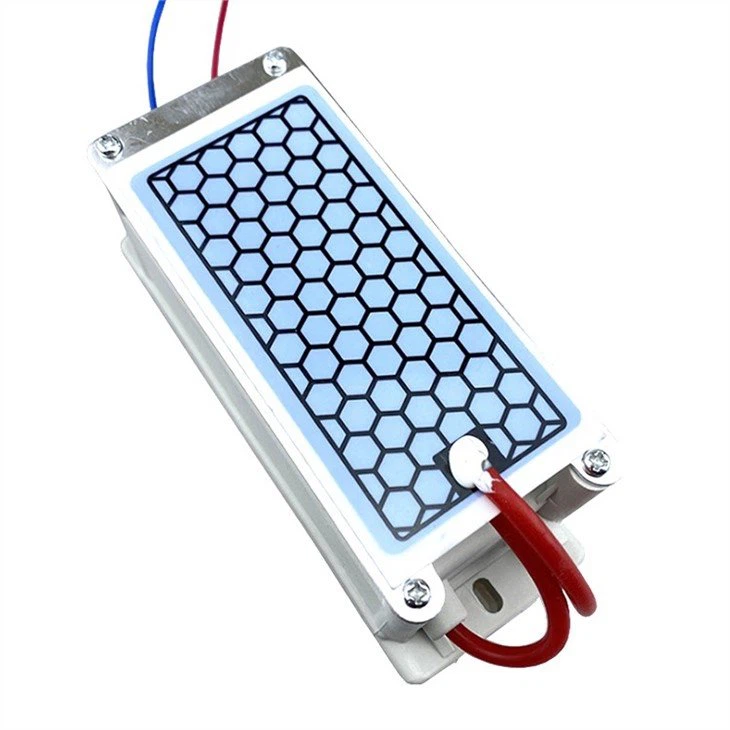

In addition to our standard air purifiers, we also offer 10g ozone generator Cleaner Ozonizer Odor Eliminator for those who need a more specialized solution for odor elimination and air sterilization.
So, there you have it! These are the main features you should look for in a home air purifier. If you're interested in purchasing an air purifier or have any questions, feel free to reach out. We're here to help you find the perfect air purifier for your home. Whether you're dealing with allergies, odors, or just want to improve the overall air quality in your living space, we've got a solution for you.
References
- U.S. Environmental Protection Agency. (n.d.). Air Cleaners and Air Quality. Retrieved from the EPA website.
- American Lung Association. (n.d.). How to Choose an Air Cleaner. Retrieved from the ALA website.