What is the ozone output of an ozone machine?
As a supplier of ozone machines, I often get asked about the ozone output of these devices. Ozone output is a crucial factor when it comes to the effectiveness and safety of an ozone machine. In this blog post, I'll explain what ozone output is, how it's measured, and why it matters for different applications.
Understanding Ozone Output
Ozone output refers to the amount of ozone gas that an ozone machine can produce within a specific period. It is typically measured in grams per hour (g/h) or milligrams per hour (mg/h). The higher the ozone output, the more ozone the machine can generate in a given time.
The ozone output of an ozone machine is determined by several factors, including the type of ozone generation technology used, the power of the machine, and the design of its ozone generator. There are two main methods of ozone generation: corona discharge and ultraviolet (UV) light.
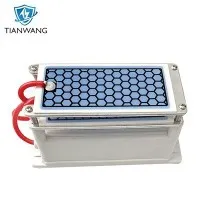
Corona discharge is the most common method used in commercial ozone machines. It involves passing air or oxygen through a high-voltage electrical field, which splits oxygen molecules (O₂) into individual oxygen atoms (O). These atoms then combine with other oxygen molecules to form ozone (O₃). Corona discharge ozone generators can produce high levels of ozone output, making them suitable for large-scale applications such as industrial air purification and water treatment.
UV light ozone generators, on the other hand, use ultraviolet light to break down oxygen molecules and create ozone. This method is less efficient than corona discharge and typically produces lower ozone outputs. UV ozone generators are often used in smaller applications, such as home air purifiers and odor eliminators.
Importance of Ozone Output
The ozone output of an ozone machine is directly related to its effectiveness in various applications. For example, in air purification, a higher ozone output can help to remove more pollutants, odors, and harmful microorganisms from the air. This is especially important in large spaces or areas with high levels of pollution.
In water treatment, ozone is a powerful disinfectant that can kill bacteria, viruses, and other pathogens. A higher ozone output can ensure that the water is effectively treated and free from harmful contaminants. Ozone can also help to remove color, taste, and odor from water, making it more palatable.
However, it's important to note that ozone is a toxic gas, and excessive exposure to high levels of ozone can be harmful to human health. Therefore, it's crucial to use ozone machines with the appropriate ozone output for the specific application and to follow safety guidelines when operating them.


Choosing the Right Ozone Output
When choosing an ozone machine, it's essential to consider the ozone output based on the size of the space or the volume of water to be treated. Here are some general guidelines to help you select the right ozone output for different applications:
-
Small Spaces (up to 100 square feet): For small rooms, closets, or cars, a low ozone output of 1 - 5 g/h may be sufficient. You can check out our 5g Ozone generator which is ideal for such small spaces. It can effectively eliminate odors and purify the air.
-
Medium Spaces (100 - 500 square feet): In medium-sized rooms, offices, or small warehouses, an ozone output of 5 - 10 g/h is recommended. Our 10g ozone generator Cleaner Ozonizer Odor Eliminator is a great choice for these areas. It can provide more powerful air purification and odor removal.
-
Large Spaces (over 500 square feet): For large rooms, factories, or commercial buildings, a higher ozone output of 10 - 20 g/h or more may be required. Our 20g Portable Ozone Generator Air Sterilizer is designed to handle large spaces and can effectively sterilize the air and eliminate stubborn odors.
-
Water Treatment: The ozone output required for water treatment depends on the volume of water and the level of contamination. Generally, a higher ozone output is needed for larger volumes of water or water with high levels of pollutants. It's best to consult with a water treatment professional to determine the appropriate ozone output for your specific water treatment needs.
Safety Considerations
As mentioned earlier, ozone is a toxic gas, and it's important to take safety precautions when using ozone machines. Here are some safety tips to keep in mind:
- Ventilation: Always ensure proper ventilation when using an ozone machine. Ozone should be used in unoccupied spaces, and the area should be well-ventilated after treatment to allow the ozone to dissipate.
- Exposure Limits: Do not exceed the recommended ozone exposure limits set by regulatory agencies. The Occupational Safety and Health Administration (OSHA) has set a permissible exposure limit (PEL) of 0.1 parts per million (ppm) of ozone for an 8-hour workday.
- Monitoring: Use an ozone monitor to measure the ozone levels in the air and ensure that they are within the safe range. This can help to prevent overexposure to ozone.
- Follow Instructions: Read and follow the manufacturer's instructions carefully when operating an ozone machine. This includes proper installation, maintenance, and operation procedures.
Conclusion
In conclusion, the ozone output of an ozone machine is a critical factor that determines its effectiveness and safety. By understanding what ozone output is, how it's measured, and why it matters, you can choose the right ozone machine for your specific application. Whether you need to purify the air in a small room or treat large volumes of water, there is an ozone machine with the appropriate ozone output for your needs.
If you're interested in purchasing an ozone machine or have any questions about ozone output or our products, please feel free to contact us. We're here to help you find the best solution for your air purification or water treatment needs.
References
- American Conference of Governmental Industrial Hygienists (ACGIH). (2023). Threshold Limit Values (TLVs) for Chemical Substances and Physical Agents and Biological Exposure Indices (BEIs).
- Occupational Safety and Health Administration (OSHA). (2023). Ozone. Retrieved from [OSHA website]
- World Health Organization (WHO). (2023). Guidelines for Indoor Air Quality: Ozone.