Hey there! As a supplier of ozone generators, I often get asked if these nifty machines can be used in a greenhouse. Well, let's dive right into it and find out if it's a good idea.
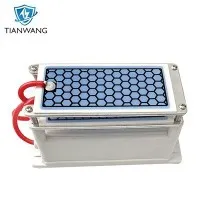
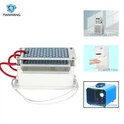
First off, let's talk a bit about what an ozone generator does. Ozone, which is made up of three oxygen atoms (O₃), is a powerful oxidizing agent. It can break down and neutralize a whole bunch of things like bacteria, viruses, mold, and even some unpleasant odors. When an ozone generator is running, it produces ozone gas that can then go to work in the environment it's placed in.
Now, the big question - can it be used in a greenhouse? The answer is a bit of a yes and no, and it really depends on how you use it.
The Benefits of Using an Ozone Generator in a Greenhouse
One of the major perks of using an ozone generator in a greenhouse is its ability to fight off pests and pathogens. Greenhouses are like little ecosystems, and sometimes they can become breeding grounds for all sorts of unwanted critters. Bacteria, fungi, and insects can cause a lot of damage to your plants. Ozone can help keep these problems in check.


For example, many plant diseases are caused by fungi. Powdery mildew, for instance, is a common fungal disease that can cover the leaves of your plants in a white, powdery substance. Ozone can break down the cell walls of these fungi, effectively killing them. This means less disease and healthier plants.
Ozone can also help with odor control. If you've ever been in a greenhouse with a lot of decaying plant matter or a high humidity level, you know that it can get pretty stinky. The ozone produced by a generator can oxidize the odor-causing molecules, leaving your greenhouse smelling fresh.
Another benefit is that ozone can improve air quality. In a closed environment like a greenhouse, the air can become stagnant and filled with pollutants. Ozone can break down these pollutants, making the air cleaner for your plants to breathe. This can lead to better growth and development.
The Risks of Using an Ozone Generator in a Greenhouse
While there are some great benefits, there are also some risks associated with using an ozone generator in a greenhouse. The biggest risk is that ozone can be harmful to plants if the concentration is too high.
Plants have a delicate balance, and exposure to high levels of ozone can damage their leaves and stems. It can cause leaf discoloration, stunted growth, and even death in severe cases. So, it's super important to use the right ozone generator and set it to the correct level.
Another risk is that ozone can be harmful to humans and animals. If you're in the greenhouse while the ozone generator is running, you could inhale the ozone gas. High levels of ozone can cause respiratory problems, such as coughing, shortness of breath, and chest pain. So, you need to make sure that you don't enter the greenhouse until the ozone has dissipated.
Choosing the Right Ozone Generator for Your Greenhouse
If you've decided that using an ozone generator in your greenhouse is a good idea, then you need to choose the right one. There are a few things to consider when making your choice.
The size of your greenhouse is one of the most important factors. A larger greenhouse will require a more powerful ozone generator. For a small greenhouse, a 5g Ozone generator might be sufficient. It can produce enough ozone to keep the air clean and fight off pests without overdoing it.
If you have a medium-sized greenhouse, a 10g ozone generator Cleaner Ozonizer Odor Eliminator could be a better choice. It has a higher output and can cover a larger area.
For large greenhouses, you might want to consider a 20g Portable Ozone Generator Air Sterilizer. This powerful generator can produce a large amount of ozone, which is great for big spaces.
You also need to consider the type of ozone generator. There are two main types: corona discharge and ultraviolet. Corona discharge generators are more common and are generally more powerful. Ultraviolet generators are less powerful but are often more affordable.
How to Use an Ozone Generator in a Greenhouse
Once you've chosen the right ozone generator, it's important to use it correctly. Here are some tips to help you get the most out of your ozone generator in your greenhouse.
First, make sure that the greenhouse is empty of people and animals before you turn on the ozone generator. This will help prevent any exposure to the ozone gas.
Next, set the ozone generator to the correct level. The level will depend on the size of your greenhouse and the specific needs of your plants. It's a good idea to start with a low level and gradually increase it if needed.
Run the ozone generator for a set period of time. Usually, it's recommended to run it for a few hours at a time, a few times a week. This will give the ozone enough time to do its job without overexposing your plants.
After you've run the ozone generator, wait for the ozone to dissipate before entering the greenhouse. This can take a few hours, depending on the size of the greenhouse and the amount of ozone produced.
Conclusion
So, can a generator ozone be used in a greenhouse? The answer is yes, but with some caution. There are definitely some great benefits, such as pest control, odor control, and improved air quality. However, there are also some risks, such as plant damage and human health concerns.
If you're thinking about using an ozone generator in your greenhouse, make sure to do your research and choose the right one for your needs. And always follow the safety guidelines to ensure that you and your plants stay healthy.
If you're interested in purchasing an ozone generator for your greenhouse, we'd love to talk to you. We have a wide range of high-quality ozone generators that are perfect for greenhouses of all sizes. Just reach out to us, and we can discuss your specific requirements and help you find the best solution.
References
- Smith, J. (2020). The Effects of Ozone on Plant Health. Journal of Horticultural Science.
- Johnson, A. (2019). Ozone Generators: A Guide to Use in Closed Environments. Environmental Science Magazine.
- Brown, C. (2021). Choosing the Right Ozone Generator for Your Needs. Home and Garden Review.